Who Owns Chanel? The Wertheimer Family Empire Explained
The Wertheimer family has owned Chanel for a century. How deliberate invisibility built the world's most valuable private luxury house.
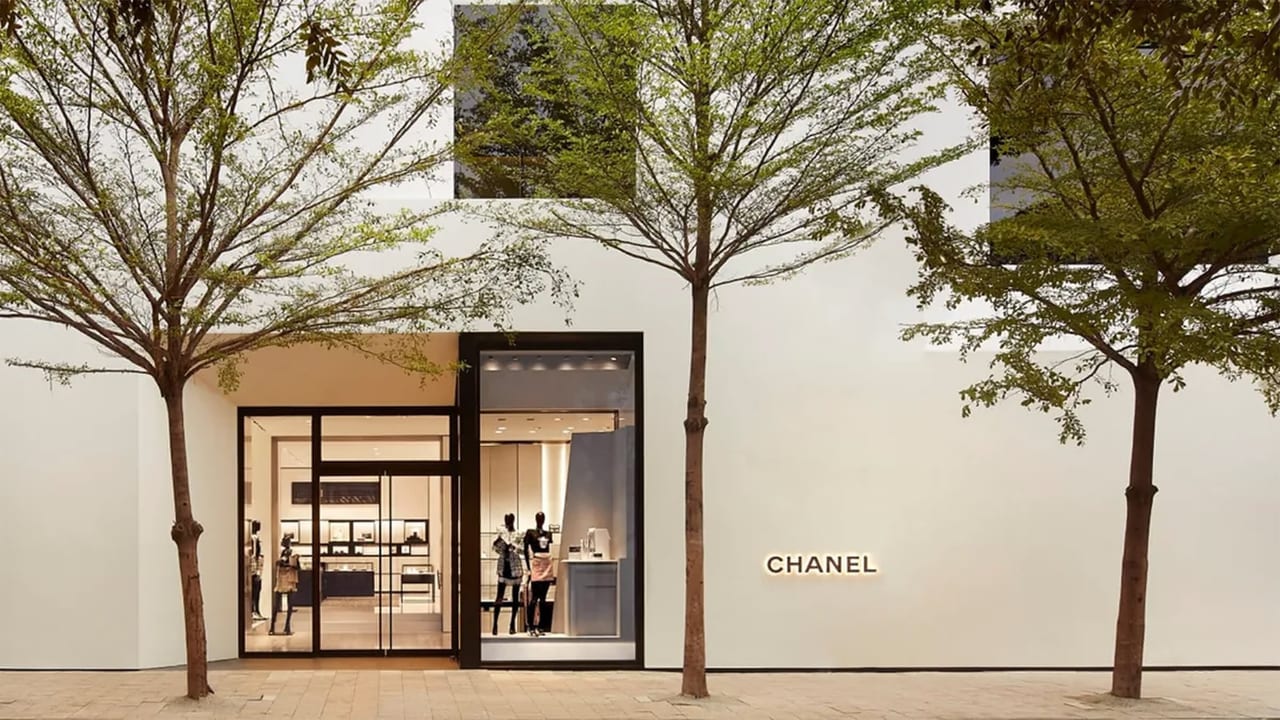
The family behind the most valuable private luxury house in the world has no Wikipedia portrait, gives no interviews, and attends no front rows.
Every other name in luxury is a public spectacle. Bernard Arnault’s net worth scrolls across Bloomberg terminals. François-Henri Pinault’s marriage makes tabloid headlines. The Wertheimer brothers — Alain and Gérard — own the entirety of Chanel, a house that generated $18.7 billion in revenue in 2024, and most people in the industry could not pick them out of a room.
The conventional wisdom says luxury brands need visibility at the top. Public listings, celebrity CEOs, quarterly earnings calls. Chanel has operated on the opposite principle for a century — and it has worked better than almost anyone predicted.
This is the story of how the Wertheimer family built, defended, and quietly expanded one of the most powerful empires in global luxury — and why their insistence on staying private tells you more about the future of the industry than any IPO prospectus ever could.
How did the Wertheimers come to own Chanel?
The Wertheimer connection to Chanel dates to 1924, when Théophile Bader — co-founder of Galeries Lafayette — introduced Pierre Wertheimer to Gabrielle “Coco” Chanel at the Longchamp racecourse outside Paris. Chanel had a problem: her fragrance No. 5 was selling faster than she could produce and distribute it. The Wertheimers had a solution. Their family already controlled Bourjois, one of France’s largest cosmetics manufacturers, and they had the infrastructure to scale production worldwide.
The deal that followed created Parfums Chanel. Pierre Wertheimer took 70% of the entity in exchange for financing all production, marketing, and global distribution. Bader received 20%. Coco Chanel kept 10% — and her name. It was the beginning of an ownership structure that would prove remarkably durable.
It was, by any measure, a lopsided arrangement. Chanel spent the next two decades trying to claw back control, filing lawsuits, lobbying the Vichy government during the occupation, and renegotiating terms repeatedly. She never succeeded. By the time she died in 1971, the Wertheimers had acquired full ownership of the fashion house as well as the fragrance business. Pierre’s son Jacques, and then his grandsons Alain and Gérard, consolidated everything under a single private holding structure.
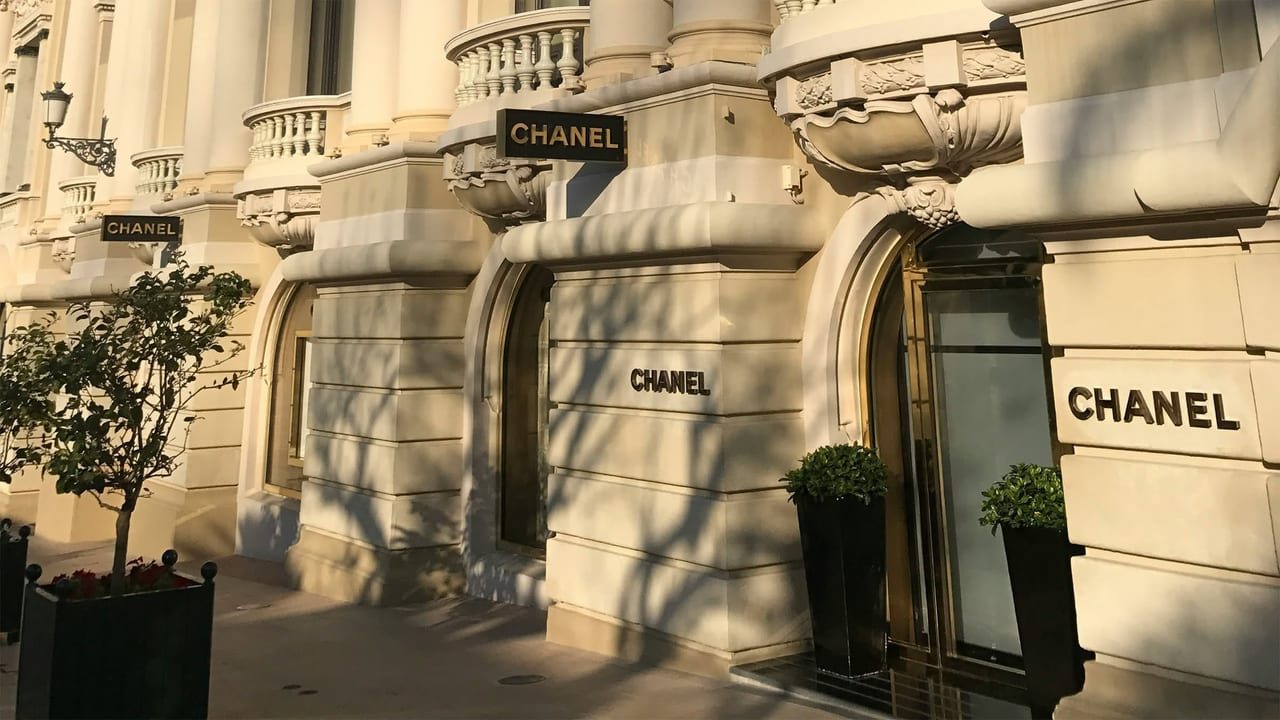
Today, Alain and Gérard Wertheimer own 100% of Chanel through Chanel Limited, a holding company incorporated in London in 2018. There are no minority shareholders, no institutional investors, no board seats held by anyone outside the family’s inner circle. The house at 31 Rue Cambon still bears Coco’s name, but every strategic decision — from haute couture collections to global expansion — flows through the Wertheimer family’s private governance.
Why does Chanel refuse to go public?
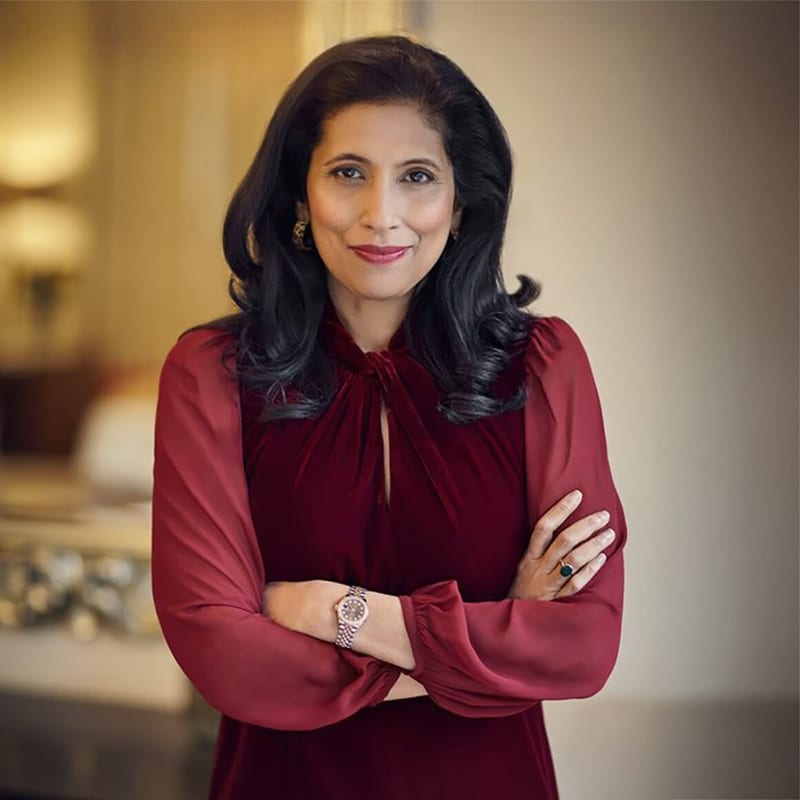
Chanel is the largest privately held luxury company in the world. Rumours of an IPO surface every few years and are dismissed every time. Leena Nair, Chanel’s Global CEO since January 2022, has stated the position plainly: “We’re going to stay a private, independent company.”
The reasoning is strategic, not sentimental. Public luxury companies — LVMH, the publicly listed giant on the other side of the equation — must optimise for quarterly earnings, analyst expectations, and share price performance. That creates pressure to expand into new categories, acquire aggressively, and chase volume. Chanel’s private structure removes those incentives entirely. The Wertheimers can invest $1.76 billion in capital expenditure in a single year (as they did in 2024, a 43% increase) without explaining the short-term return to shareholders. They can hold prices, restrict distribution, and walk away from markets that dilute the brand — decisions that would trigger a sell-off in any publicly listed competitor.
The financial results speak to the power of this model. According to Chanel’s voluntarily published annual report, 2023 revenue reached $19.7 billion with an operating profit of $6.4 billion — margins that rival or exceed most publicly traded luxury groups. Even in 2024, when a slowdown in China pulled revenue down 4.3% to $18.7 billion, the company increased investment rather than cutting costs. That is a move only a private owner can make without consequence.
The art of deliberate invisibility
The Wertheimer family’s anonymity is not a byproduct of shyness. It is a calculated brand strategy that has run unbroken for three generations. Alain Wertheimer, who oversees Chanel’s business operations and chairs the board, has given fewer than a handful of interviews in his career. Gérard, who manages the family’s horse-racing and wine interests (including Château Rauzan-Ségla in Bordeaux), is similarly invisible. Bloomberg’s Billionaires Index estimates their combined fortune at over $90 billion. Gérard holds the distinction of being Switzerland’s wealthiest resident. Neither brother has a public social media presence.
This deliberate obscurity serves Chanel’s positioning in a way that no marketing campaign could replicate. In an era where every luxury CEO is building a personal brand — appearing on podcasts, posting on LinkedIn, courting influencer collaborations — the Wertheimers’ silence reinforces the very mystique that makes Chanel, Chanel. The brand’s authority rests on the idea that true luxury does not need to explain itself. The owners embody that principle literally.
Their family office, Mousse Partners, manages investments across technology, wine, thoroughbred racing, and real estate with the same discretion. The fourth generation is already active: Gérard’s son David Wertheimer runs 1686 Partners, a private equity firm focused on consumer lifestyle and sports brands, which raised $110 million in 2023 and has invested in companies spanning eyewear, skincare, and sportswear. The succession appears seamless — and characteristically quiet.
What does private ownership mean for Chanel’s strategy?
Private ownership shapes nearly every strategic decision Chanel makes, from pricing to creative direction to geographic expansion. Three areas illustrate this most clearly.
Pricing without pressure
Chanel has raised the price of its Classic Flap handbag from roughly $4,800 in 2019 to over $10,000 today — an increase that would trigger intense scrutiny from equity analysts at a public company. The Wertheimers answer to no one. Chanel’s distinctive pricing strategy functions as a brand-building tool rather than a margin-maximisation exercise: higher prices reinforce exclusivity, reduce overexposure, and push the brand further into the ultra-luxury tier where demand is less elastic.
Creative patience
When Karl Lagerfeld died in February 2019 after 36 years as creative director, Chanel appointed Virginie Viard — his long-time right hand — as successor. Public companies might have staged a high-profile external hire to reassure investors. Chanel chose continuity. When Viard eventually departed, the house again moved on its own timeline, without the market volatility that accompanies creative transitions at publicly listed rivals.
Selective expansion
Chanel plans 48 new store openings in 2025, including first entries into India and Mexico, and is doubling the size of its London headquarters to 86,000 square feet in Mayfair. These are long-horizon bets. A public company would need to justify each opening with a projected ROI timeline. Chanel invests where it sees strategic value in five, ten, or twenty years — and discloses the financials only because it chooses to, not because regulators require it. The company began voluntarily publishing annual results only in 2018, a century after its founding.
How Chanel compares to the conglomerates
The contrast between Chanel and the publicly listed luxury conglomerates reveals two fundamentally different philosophies of brand stewardship.
| Dimension | Chanel (Private) | LVMH / Kering (Public) |
|---|---|---|
| Ownership | 100% Wertheimer family | Family-controlled but publicly traded |
| Revenue (2024) | $18.7 billion | LVMH: €84.7 billion |
| Number of brands | 1 | LVMH: 75+ Maisons |
| Reporting obligation | Voluntary (since 2018) | Mandatory quarterly |
| Strategic horizon | Generational | Quarterly to multi-year |
| Acquisition strategy | Minimal — focus on single brand | Active portfolio building |
LVMH’s multi-brand strategy spreads risk and creates cross-selling opportunities. Chanel’s single-brand focus concentrates risk but allows every resource — creative, financial, human — to serve one vision. Neither model is objectively superior. But Chanel’s consistent ability to generate margins comparable to diversified conglomerates, while maintaining tighter control over distribution and brand perception, suggests that how Chanel compares to the conglomerates is not a question of size but of intent.
What the Wertheimer model reveals about luxury’s future
Chanel’s century under Wertheimer control is not merely a family success story. It is an argument — made in billions, not words — that the most durable luxury brands may be the ones that resist the capital markets entirely.
As the luxury industry consolidates further and public companies face increasing pressure from activist investors, ESG mandates, and consumer volatility in key markets like China, Chanel’s ownership structure looks less like an anachronism and more like a competitive advantage. The Wertheimers can think in decades. Their publicly traded rivals think in quarters.
Whether the fourth generation will maintain this discipline remains the open question. But a hundred years of evidence suggests the answer is already written — quietly, as the Wertheimers prefer.
Explore Chanel’s leaders on Worthbury — meet the executives steering the house that Coco built.