
Audi to invest $4 billion in its first US factory in Georgia
The plant would employ roughly 4,500 people and turn out up to 200,000 vehicles a year, with some SUVs exported.


Audi has announced it will build its first United States factory in Macon, Georgia, committing around $4 billion to the project. Construction is set to begin in 2027, and production at the new site is expected to start in the early 2030s.
The new plant in Macon will focus on sport utility vehicles designed for the North American market, with a planned annual capacity of up to 200,000 vehicles. Most output is likely to be sold in North America, though some SUVs are expected to be exported.
A report first emerged in June 2025 that Audi was weighing a production facility in the United States, although the company declined to comment at the time. Audi says the factory is a key part of its long-term growth strategy.
Audi, the German maker of luxury vehicles, said the project will create roughly 4,500 new jobs. It points out that the United States is the world's second-largest premium market, which is why it wants production there.
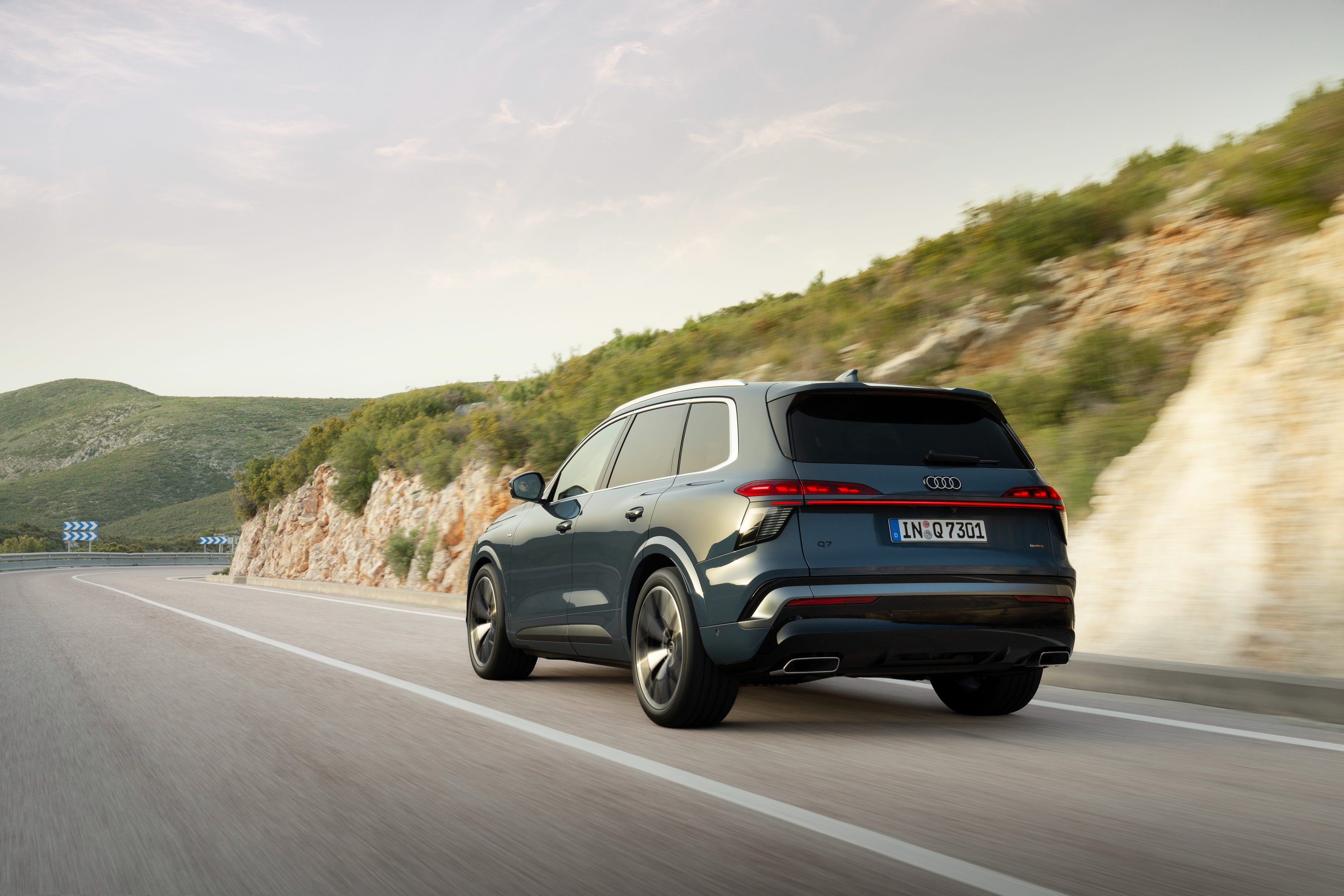
A US official told Reuters that production plans will include the Q7, Q8 and Q9 SUVs, with most vehicles staying within North America. Future iterations of the three-row Q7 and the even-larger Q9 could shift from the plant in Bratislava, Slovakia, to Georgia.
The move insulates the brand against future tariffs, because Audi currently imports all of its US models from Europe or Mexico. Tariffs cost the Volkswagen Group $4 billion in 2025, and $1.4 billion of that loss came from Audi alone.
The Trump administration's tariffs sent automakers scrambling in 2025, with profits plunging as many companies chose to absorb the import taxes rather than risk losing customers through higher prices. That approach could not continue forever, and automakers began planning for future trade wars.
The plant will not ease the tariff burden in the near term, but it provides insurance against future trade disputes. It is a strategy shift for a brand that has so far built every one of its US-bound vehicles abroad.
What officials say about the deal
A US official told Automotive News that the Trump administration will hold talks with Volkswagen over some form of tariff relief in exchange for the commitment to build a new US factory. Audi has not publicly confirmed those discussions.
The same official reportedly said Audi plans to build 25,000 vehicles per year at the new $2 billion plant under construction in Blythewood, South Carolina, for Scout Motors, the new VW Group subsidiary. Audi has not publicly confirmed that figure either.
Why the timing matters
The investment follows a punishing year for the brand's owner. The VW Group's 2025 tariff bill, with $1.4 billion of it falling on Audi, shows how exposed a company is when every American sale crosses a border.
Audi imports every model it sells in the United States from Europe or Mexico, leaving the brand exposed to trade policy on two fronts. Building in Georgia will eventually cut that exposure, even though the plant is years from opening.
The announcement resolves the question raised in June 2025, when Audi declined to comment on reports of an American production site.
Audi has not said how the $4 billion will be split between construction and equipment, and the source reporting gives no figure for the Scout Motors volume from the company itself. Those details remain open.
What comes next is a long runway. Construction starts in 2027, the SUVs arrive in the early 2030s, and any tariff relief tied to the commitment would be the subject of the talks the US official described.
Support the content you love — it’s free 🎉
Add Worthbury as a preferred source on Google. Our stories will be more likely to appear in Google’s Top Stories. It’s free and supports our team. Thank you!
Add as preferred sourceYou can remove us any time in Google’s source preferences.
Thank you — you’re all set 🎉
Worthbury is now one of your preferred sources, so our briefings are more likely to appear in Google’s Top Stories.
This briefing is published daily using an AI-powered system crafted by Worthbury's team and finely tuned to meet our editorial standards. While we continuously test and review the output, mistakes can sometimes happen. Tell us if you spot one.
Images: Audi