Briefing
The latest from across luxury business: the moves, deals and numbers that matter, gathered as they break.
This briefing is published daily using an AI-powered system crafted by Worthbury's team and finely tuned to meet our editorial standards. While we continuously test and review the output, mistakes can sometimes happen. Tell us if you spot one.
-
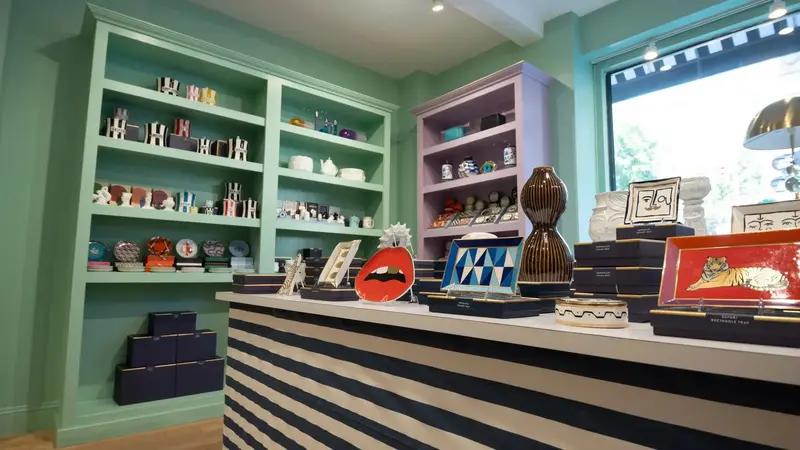
Jonathan Adler opens gifting concept store on Lexington Avenue
The gifting-focused shop is the brand's first in the neighbourhood and third in New York.
-
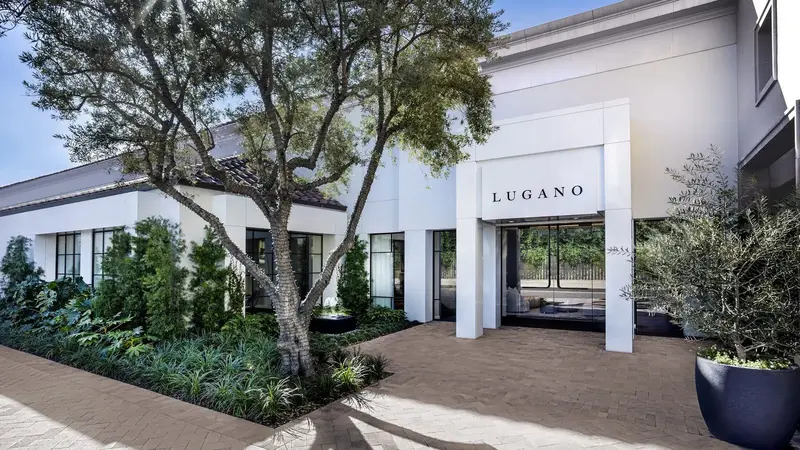
Lugano exits bankruptcy under new owner Middle West Partners and CEO Josh Gaynor
The Newport Beach jeweller has rebranded as Lugano Jewelry, with Gaynor confirmed from his interim role.
-

Givaudan's nine-month sales beat forecasts as fine fragrance climbs 15.3%
Fragrance ingredients and active beauty were the weak spot, falling 2.5%, and Latin America was flat.
-

Pierre Cardin opens SoHo shop to court US licensees
Six new American licences are already signed, and the house wants to add furniture and jeans.
-
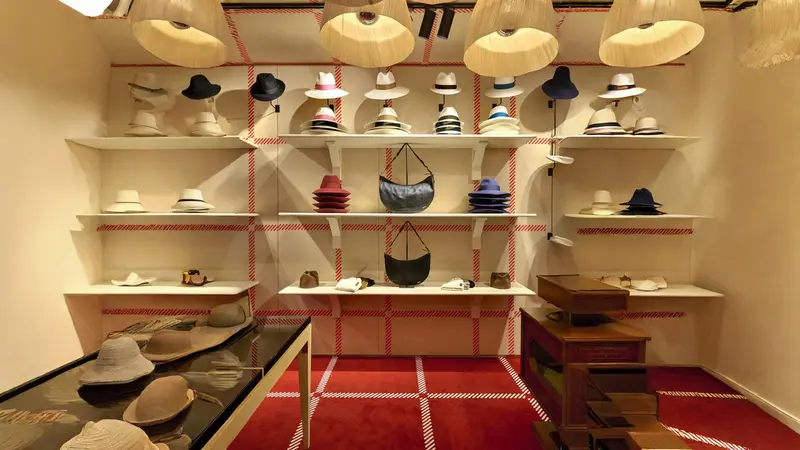
Borsalino opens second Paris store and lines up Beijing and Shenzhen
The 169-year-old hatmaker opened a Plaza 66 store in Shanghai in September and is talking with landlords in Beijing and Shenzhen.
-

Dsquared2 GM Chiara Baravalle exits after five months as OTB talks stall
The brand says a new organisational structure is being worked on as the Caten twins lead the label themselves.
-
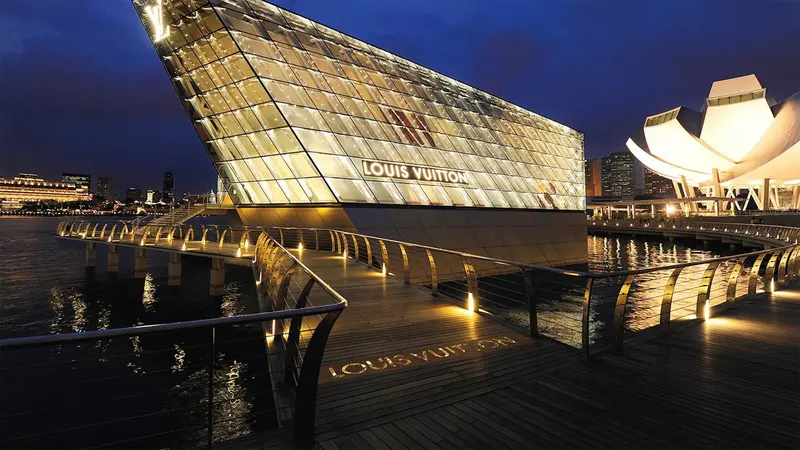
LVMH Q3 sales rise 1% as fashion and leather goods slips 5% on China
Wines and spirits led the group with 6% organic growth, while watches and jewellery rose 6% and selective retailing climbed 8%.
-

The Armoury names Kentaro Nakagomi creative director as Cho pivots to arcades
Cho says his Hong Kong flagship now outperforms its old mall store at a third of the rent, and Tokyo is next.
-
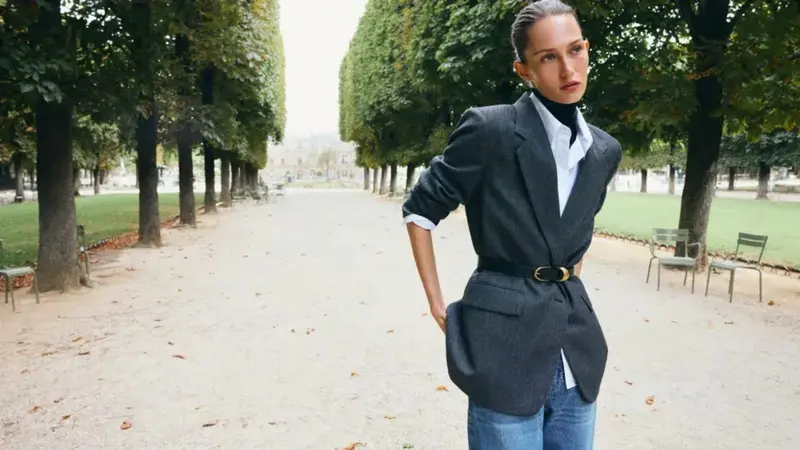
Aritzia shares jump 21% as second-quarter net income triples to $201.7m
The Vancouver retailer lifted its full-year revenue outlook to between $4.78 billion and $4.88 billion and plans an investor day on Oct. 27.
-

China Golden Week luxury mall traffic hits two-year high, Bernstein finds
Chengdu was the engine of the recovery, with traffic up 116% on last year's holiday, while the data excludes VIP visitors and any measure of actual spending.
-

Porsche sets 'Sportwagenschmiede '35' plan: new sports cars, more exclusivity
The medium-term strategy runs through 2035 and centres the company's profit ambitions on its sports car heartland.
-

Estée Lauder invests €5.7 million in water resilience in Belgium
The project is expected to cut the Oevel site's water intensity from 9.3 to 3.6 litres per kilogram of product.
-
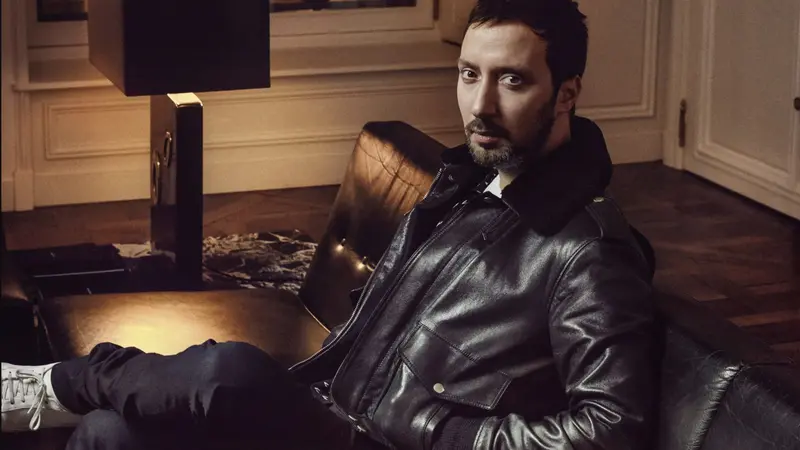
Anthony Vaccarello exits Saint Laurent as Kering confirms departure
Kering says new creative leadership will be announced "soon"; sales tripled during his tenure before sliding to €2.6 billion.
-

Kering and LVMH raise the minimum age for models to 18 from 2027
Scenes with partial nudity will need prior formal consent and a dedicated space, and the groups name no penalty for breaches.
-

Aritzia posts 44% sales gain and plans investor day on Oct. 27
A $97.4 million tariff refund helped push net income to $201.7 million.
-
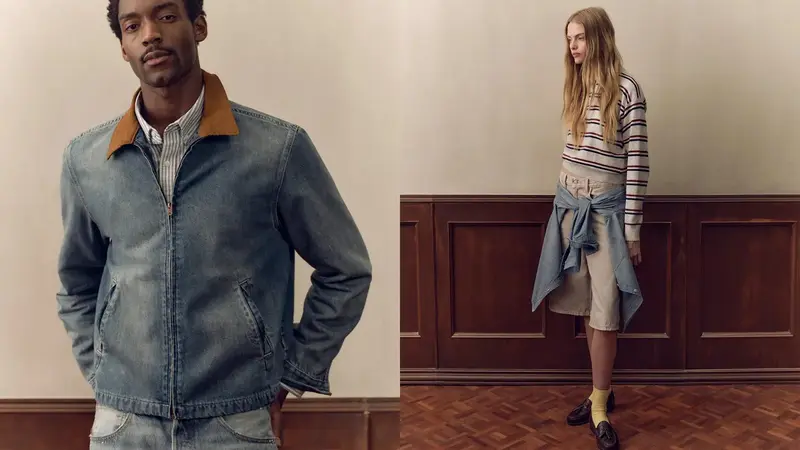
Levi's DTC growth slows to 2% from 8%, and tariff refunds fill the gap
Outgoing chief financial and growth officer Harmit Singh said $60 million of the refunds has been redeployed, with about $35 million slated for the fourth quarter.
-

Lululemon names a COO and product chief in Heidi O'Neill's first reset
The chief product role goes to Athleta CEO Maggie Gauger, a two-decade Nike veteran, while searches continue for three more positions.
-

F.P.Journe and Chanel to acquire 95% of Ebel for $66.5 million
Pierre Jacques, formerly chief executive of De Bethune, will run the watchmaker.
-

Biologique Recherche CEO reportedly exits as a sales process begins
The skin care brand is also believed to have started a sales process, and its spokeswoman declined to comment on either development.
-
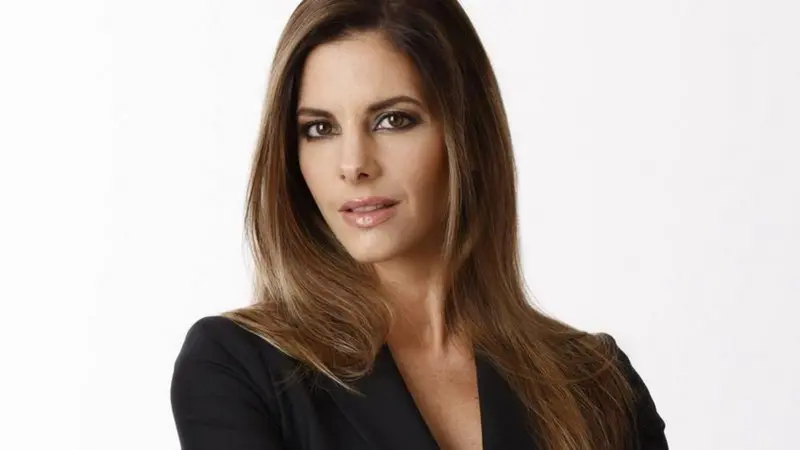
Estée Lauder names Gaétane Baudry global general manager of Bobbi Brown
The former Shu Uemura global brand president starts 8 October and reports to Lisa Sequino.