Briefing
The latest from across luxury business: the moves, deals and numbers that matter, gathered as they break.
This briefing is published daily using an AI-powered system crafted by Worthbury's team and finely tuned to meet our editorial standards. While we continuously test and review the output, mistakes can sometimes happen. Tell us if you spot one.
-
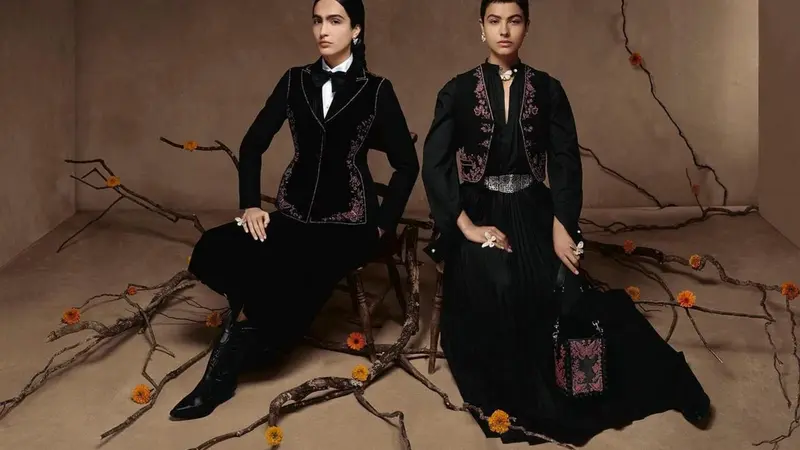
Christian Dior replaces two directors as Arnault holding merger nears
Both new directors take committee seats, and Musca will serve on two, with shareholder votes on the merger expected in December.
-
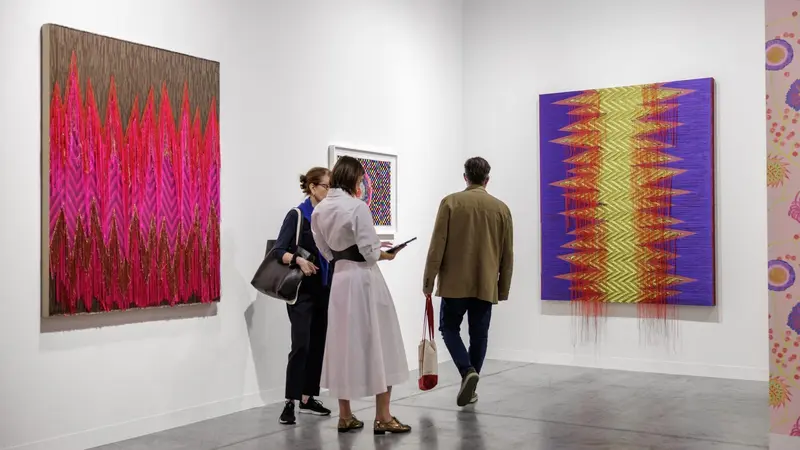
Wealthy Gen Z collectors outspend every age group, Art Basel and UBS find
The youngest buyers also account for nearly half of all works bought above $1m.
-
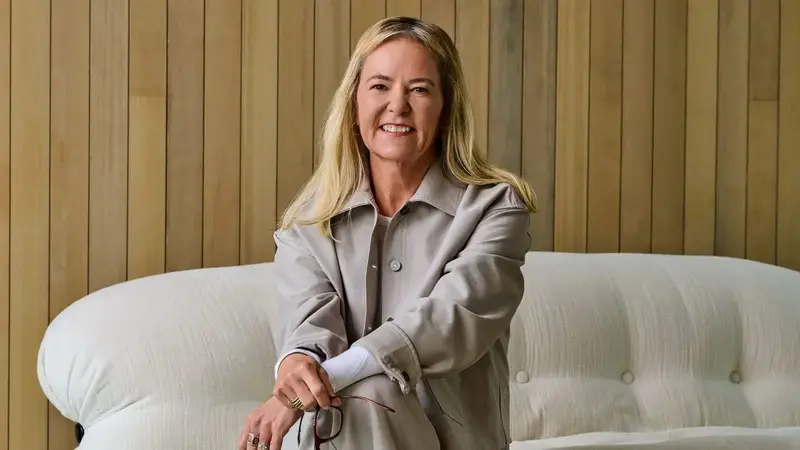
Lululemon names Athleta's Maggie Gauger president in first C-suite overhaul
Nikki Neuburger and Ted Dagnese depart on Nov. 6 while two other C-suite executives stay in expanded roles.
-
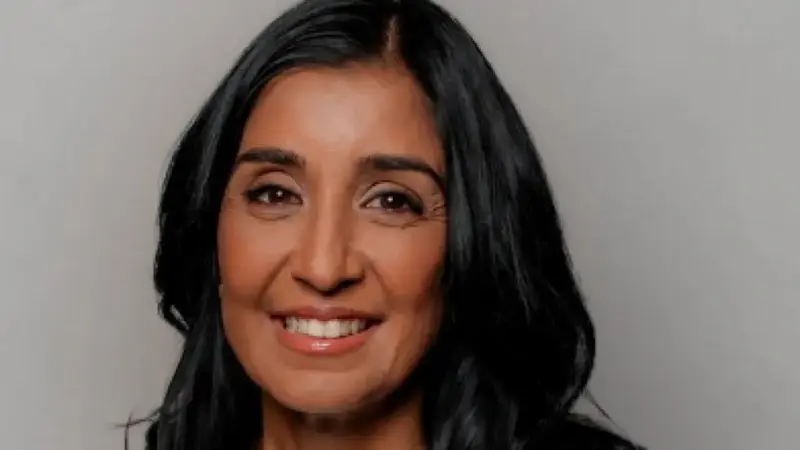
Net-a-porter names Devina Foley president of its Americas business
The former Camp and Bandier merchandising chief joins as the retailer says the U.S. is a primary engine for growth, with the West Coast and Canada in focus.
-
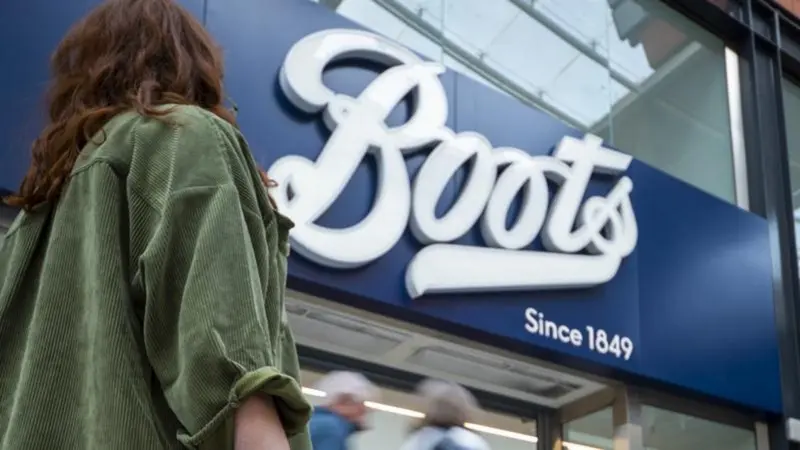
Boots sold to the Weston family behind Primark in an $8.9bn deal
No7, Boots Opticians, the Thailand business and franchised operations all move with the deal, which is expected to close in early 2027.
-
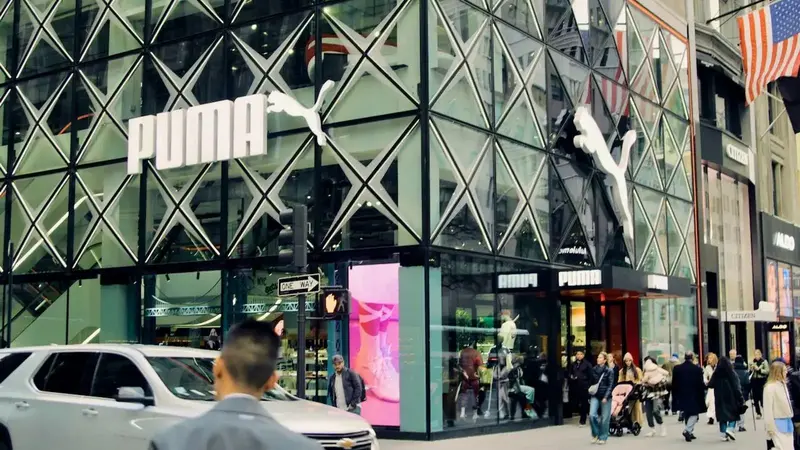
Anta Sports closes $1.7bn deal to become Puma's largest shareholder
The Chinese group bought the 29.06% stake from Groupe Artémis, the Pinault family's investment company.
-

Constellation buys RTD SpikedAde for $75m as wine and spirits sales rise 17%
The deal could reach $275m over five years if the New Jersey brand hits its targets, and Q2 beer sales grew 5%.
-

US luxury card spending falls 6% in September, a third straight drop
Leather goods and ready-to-wear improved on the month, while watches and jewellery slipped further, and Kering has already warned of a US slowdown.
-

JAY-Z's MarcyPen nears deal for LVMH's 50% stake in Fenty Beauty
The agreement could be signed within three to four weeks, ending a sale process LVMH began nearly a year ago.
-

Belstaff turnover rises 3.8% to £56.7 million but it slips to a £3.7 million loss
Pre-tax losses shrank from £15.9 million to £3.6 million, helped by a sharp fall in finance costs, and a sixth full-price UK store has just opened.
-

Asos shares fall 10.6% after hack sends blackmail alert to app users
The retailer says payment cards and passwords were not compromised, but names and contact details might have been accessed.
-

Heaven Hill sells Irish Mist liqueur to Dublin's Old Canal Quay Spirits
The 1947 whiskey, honey and spice liqueur changes hands for an undisclosed sum.
-
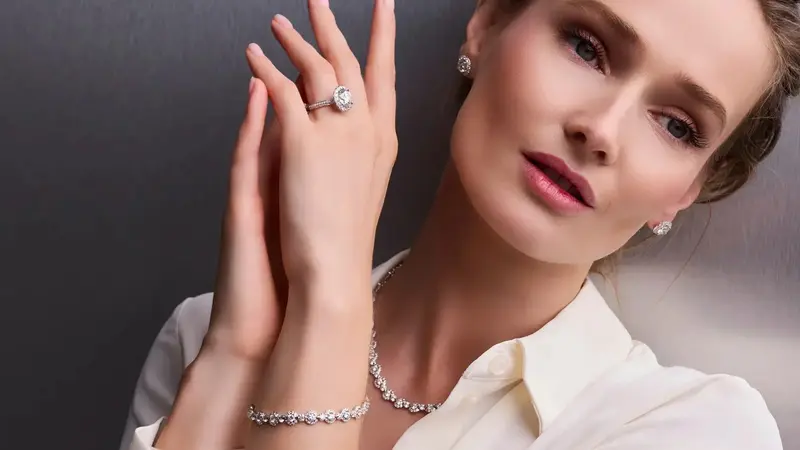
Blue Nile becomes exclusive US retailer of Royal Asscher diamonds
Signet's finance chief says the aim is a brand ladder with Blue Nile on top, ahead of Diamonds Direct, Jared, Kay and Zales.
-
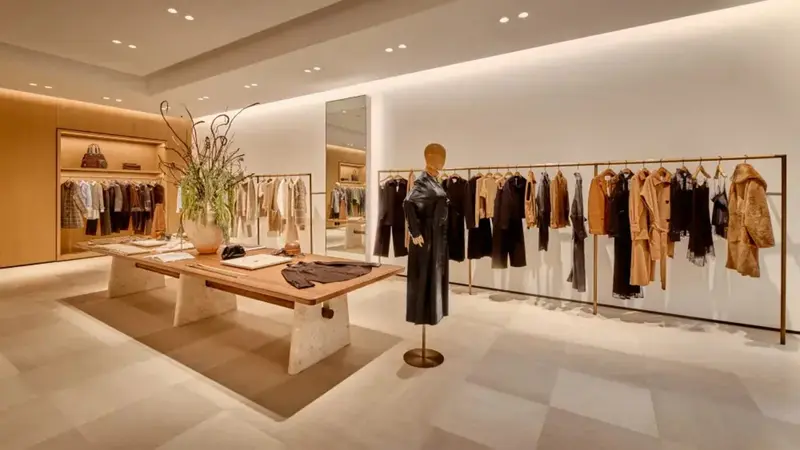
Lafayette 148 opens first Dallas boutique, its 13th US freestanding store
The store opens with leather colorways made only for Dallas, while Neiman Marcus and Nordstrom stay as wholesale partners in the city.
-

Frasers raises Burberry stake to 6.32% and unveils luxury division
The new division folds in Flannels, Harvey Nichols and The Webster, along with stakes in Mulberry and Hugo Boss.
-

US court throws out class action over Diageo's 100% agave claim
Don Julio sold 4.5 million nine-litre cases in 2025, yet the brand's sales fell 19.2% in the year to June.
-
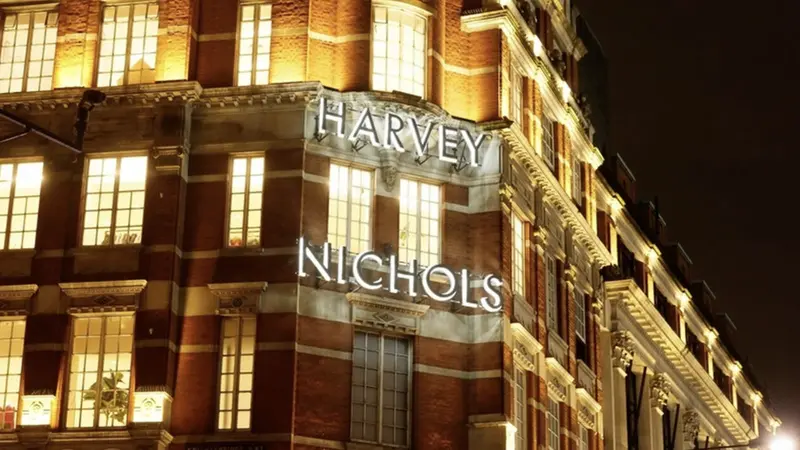
Frasers Group folds Harvey Nichols and Flannels into a luxury division
Chief executive Michael Murray calls it a profitable £1 billion-plus business built in ten years, and says acquisitions are next.
-

G/Fore names Scott Ruerup CEO, with street shoes due next year
Sales are up 38 percent this year, and the new chief executive made a move to Raleigh a condition of taking the job.
-
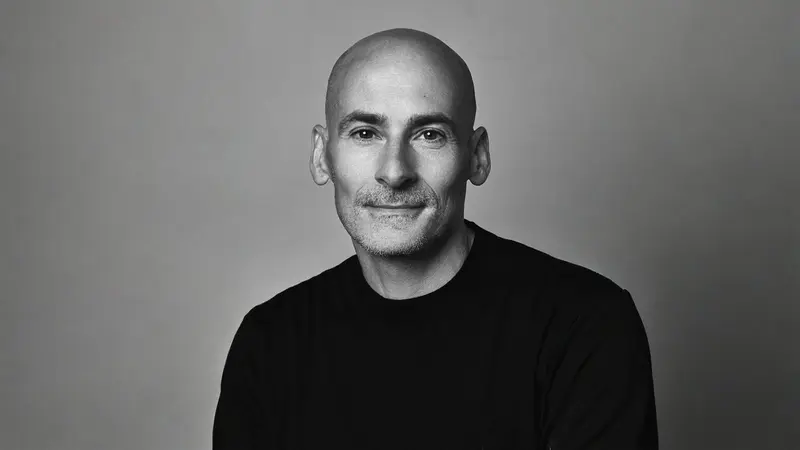
Golden Goose names Giorgio Belloli chief consumer officer
The hire follows a 15 percent first-half sales rise and HSG's June move to majority ownership of the Italian sneaker brand.
-
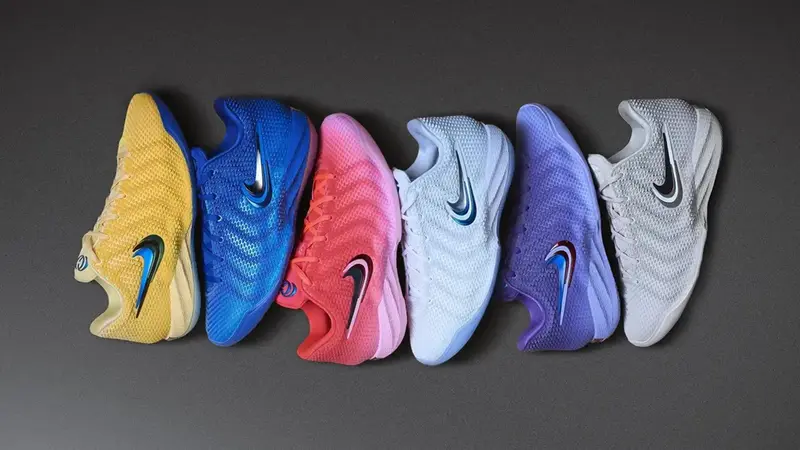
Nike moves its Greater China team to Singapore, and doubters say it will cost the local voice
The first Made for China collection launches in November, in brick-and-mortar stores only, as Nike tries to rebuild trust in a market where sales keep falling.