

Nike moves its Greater China team to Singapore, and doubters say it will cost the local voice
The first Made for China collection launches in November, in brick-and-mortar stores only, as Nike tries to rebuild trust in a market where sales keep falling.


Nike is moving its Greater China team out of China. Under a new operating model it calls Pace, the leadership team for a combined Asia-Pacific and Greater China geography will be based in Singapore, with the formation expected in fiscal-year 2028.
Pace realigns the company into three geographies. Americas brings together North America and Latin America, EMEA keeps its existing operations unchanged, and APGC merges Asia-Pacific with Greater China. Some supporting roles now at headquarters in Beaverton, Oregon, will also move to Singapore.
The company said the shift puts the team closer to the athletes and markets they serve. The move arrives alongside another round of job cuts and a forecast of steeper-than-expected declines in sales and profit for the fiscal year ending in May 2028.
Why China is the pressure point
Nike brought Elliott Hill out of retirement in October 2024 to reverse years of product missteps and rebuild its wholesale relationships. Two years on, market value and earnings have more than halved, and the problems he was hired to fix still weigh on the business.
The numbers in China tell the same story. For the first quarter ended 31 August, Greater China revenue fell 22 percent, or 26 percent excluding currency movements. Hill said stabilising the market will take multiple seasons and will keep dragging on profitability.
We reported earlier on how Nike extended its turnaround as Converse sales tumbled 28% and revenue fell 4%. China is the other half of that weak picture, and this restructuring is the company's answer to both.
Former Nike executives interviewed by Heron Intelligence see real risk in running China from Singapore. Colby Howard, president of Heron Events, said pulling work out of a market like Shanghai means losing the local relationship, which in China is almost more important than the product itself.
Howard argued the company can least afford to be generic in China, where winning takes product made for the Chinese consumer rather than one consumer everywhere. He said cutting costs is necessary, but cutting the people who know the market is the danger.
A Third Bridge analyst said contacts have concluded a massive overhaul of Greater China is needed and could take at least two to three years. Patrick Ricciardi noted there are no regional presidents, with regional leadership reporting directly to Hill, which will either work or fail tremendously.
Greg Zakowicz, an e-commerce adviser to Omnisend, said he is not convinced the company has a plan. He argued the China turnaround may be more nuanced than first thought and could stretch far longer than the rest of the global effort.
What Hill says Nike will change
Hill offered some answers on the earnings call. He said a tighter digital ecosystem of Nike flagships should give a more premium presentation and clearer product stories, while top partners turn their attention to inspirational brick-and-mortar retail.
He said most stores in Greater China have not been updated in seven years, and emphasised the market remains incredibly important, marking Nike's 45th year of business there and a continued commitment to Chinese consumers through sport.
Being more local is the other plank. Hill said Nike will invest in product creation teams on the ground in China working on future seasons, with the first collection, called Made for China, launching in November in brick-and-mortar only.
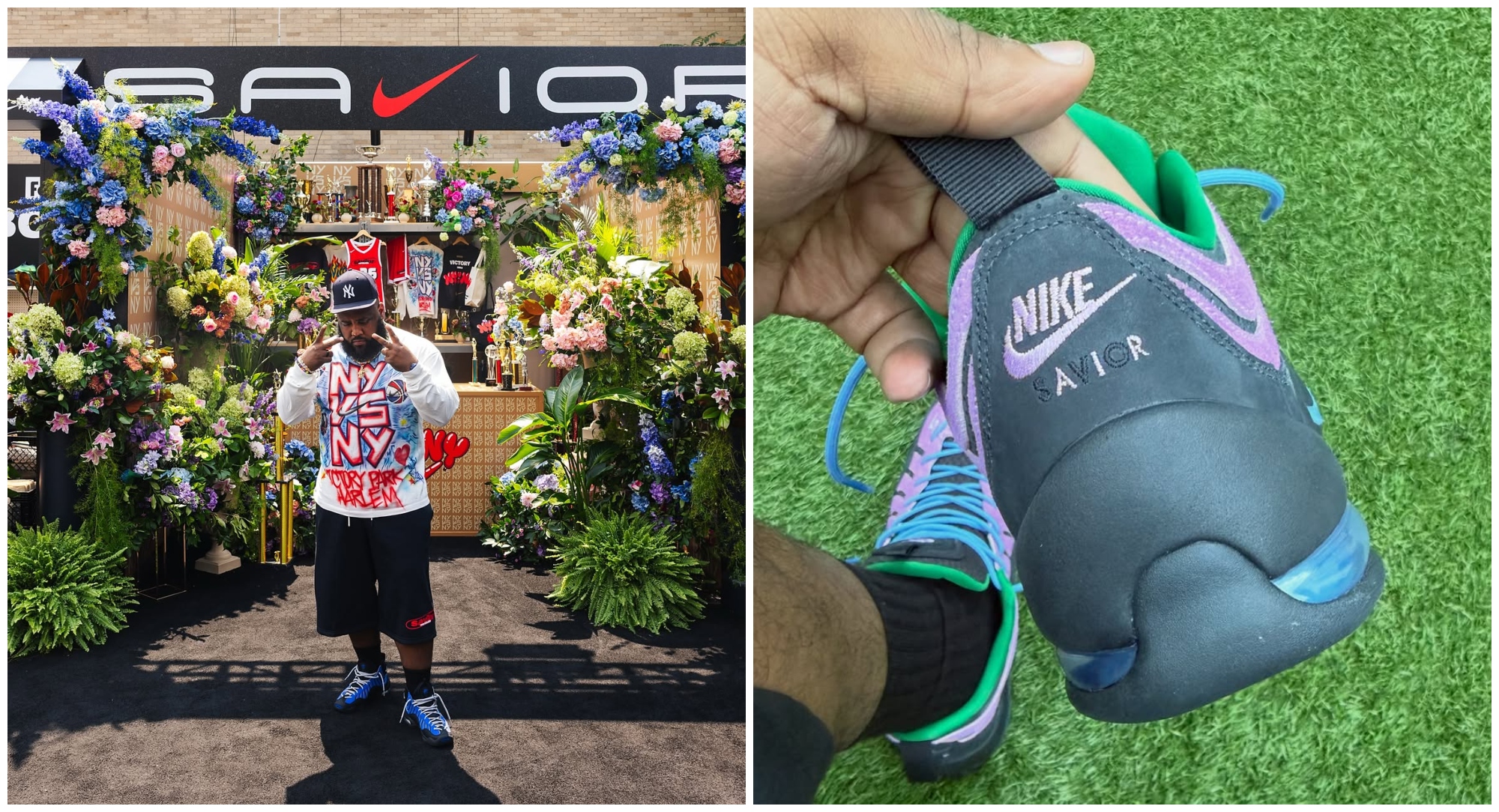
After that, new products and assortments will be locally designed, developed and manufactured in China. Howard said the real test for APGC is whether Nike China can keep that local voice, given the leadership move to Singapore.
Sportswear, China and the legacy Jordan brand were again flagged as problem areas, together accounting for more than half of total sales. Revenue continues to decline across both wholesale and direct channels despite Hill's rebalancing toward retailers and core sports.
Hill admitted Nike has been oversupplying its iconic retro Jordan product, asking it to do too much after years of discounting, and said a lack of energy in the lifestyle space was hurting traffic. RBC's Piral Dadhania said things will get worse before they get better.
Nike disclosed that most savings from the overhaul will not land until fiscal 2029 and 2030. Shares fell about 8 percent to $32.22 in early trading on Friday, around their lowest level in 12 years and far below a 2021 peak of about $175.
Neil Saunders of GlobalData said job cuts buy time but are not the solution to the brand problems driving decline. The next test is investor day on 16 and 17 November, where analysts expect a clearer roadmap for growth and profitability.
Support the content you love — it’s free 🎉
Add Worthbury as a preferred source on Google. Our stories will be more likely to appear in Google’s Top Stories. It’s free and supports our team. Thank you!
Add as preferred sourceYou can remove us any time in Google’s source preferences.
Thank you — you’re all set 🎉
Worthbury is now one of your preferred sources, so our briefings are more likely to appear in Google’s Top Stories.
Sources
This briefing is published daily using an AI-powered system crafted by Worthbury's team and finely tuned to meet our editorial standards. While we continuously test and review the output, mistakes can sometimes happen. Tell us if you spot one.
Images: Nike