
Marriott cuts corporate jobs worldwide as third-quarter fees jump 14%
Roles in HR, IT and quality assurance are going while new positions are posted, and net income rose 17% to $790 million.


Marriott International confirmed on Wednesday that it is cutting corporate jobs globally, without disclosing how many roles are affected. The company said its regular budget and planning process would bring job reductions and role changes in "some corporate disciplines," with new positions also being posted as part of the restructuring.
Hotel staff are not part of the initiative, the company said. Marriott expects many affected associates will apply for, and be selected into, the newly posted roles. Its statement did not list the functions involved, and the company has not said how many people are leaving.
Employees posting on LinkedIn and on a Reddit forum for Marriott workers named regional human resources, an IT delivery business desk, the office that handles escalated guest complaints, and the quality assurance inspectors who audit brand-standard compliance. Some reported departure dates in November, and the company has given no timeline beyond those dates.
Maryland's layoff-notice log, dated through October 23, showed no new Marriott filing as of Wednesday, so the state record gives no headcount either. Marriott had 88 job postings for its Bethesda headquarters or remote work, many under its contingent "Flex" program.
What came in the third quarter
Marriott reported third-quarter results on Monday, November 2, and they showed a company in strong financial health even as it pruned corporate staff. Gross fees reached $1.52 billion, up 14%, lifted by a larger hotel network and by co-branded credit card fees, which Chief Financial Officer Jen Mason said were "expected to rise in the high 30% range" for the full year.
Net income climbed 17% to $790 million. Worldwide revenue per available room rose 6.5% year over year, far above the 3.5% to 4% range Marriott had projected in August, and Mason cited "a solid improvement in hotel margins." The gains reached the properties that had struggled most.
Limited-service hotels posted a third consecutive quarter of RevPAR gains, up more than 6%. The company raised its full-year RevPAR outlook to 4.5% to 5%, from the 1.5% to 2.5% it forecast in February, and gave an early view that 2027 worldwide RevPAR could grow 3.5% to 4.5%.
The figures arrive mid-negotiation. A group of hotel owners wrote to management earlier this year asking for a larger share of loyalty income, pointing in particular to the card fees. CEO Anthony Capuano described Marriott's approach to owners as incremental and did not rule out further concessions.
Capuano cited concessions already made: owners now contribute at a lower rate on loyalty spending, get better reimbursement for redemption stays on high-demand nights, face relaxed operating and renovation rules, and a rebate is available to some well-reviewed hotels. Incentive management fees rose 22% to $181 million, a figure Marriott points to as proof that owner and brand economics move together.
Net room growth held at 4.6%, and Capuano called key money the "weapon of choice" in winning development deals. Conversions made up more than a third of signings, a sign of how the company is leaning on repositioning existing hotels rather than building new ones.
Capuano had told staff a week earlier that Marriott would eliminate some corporate roles while creating others. On the earnings call itself, neither executives nor analysts mentioned the restructuring, and the fee and profit figures drew the attention.
Marriott's portfolio and our earlier reporting
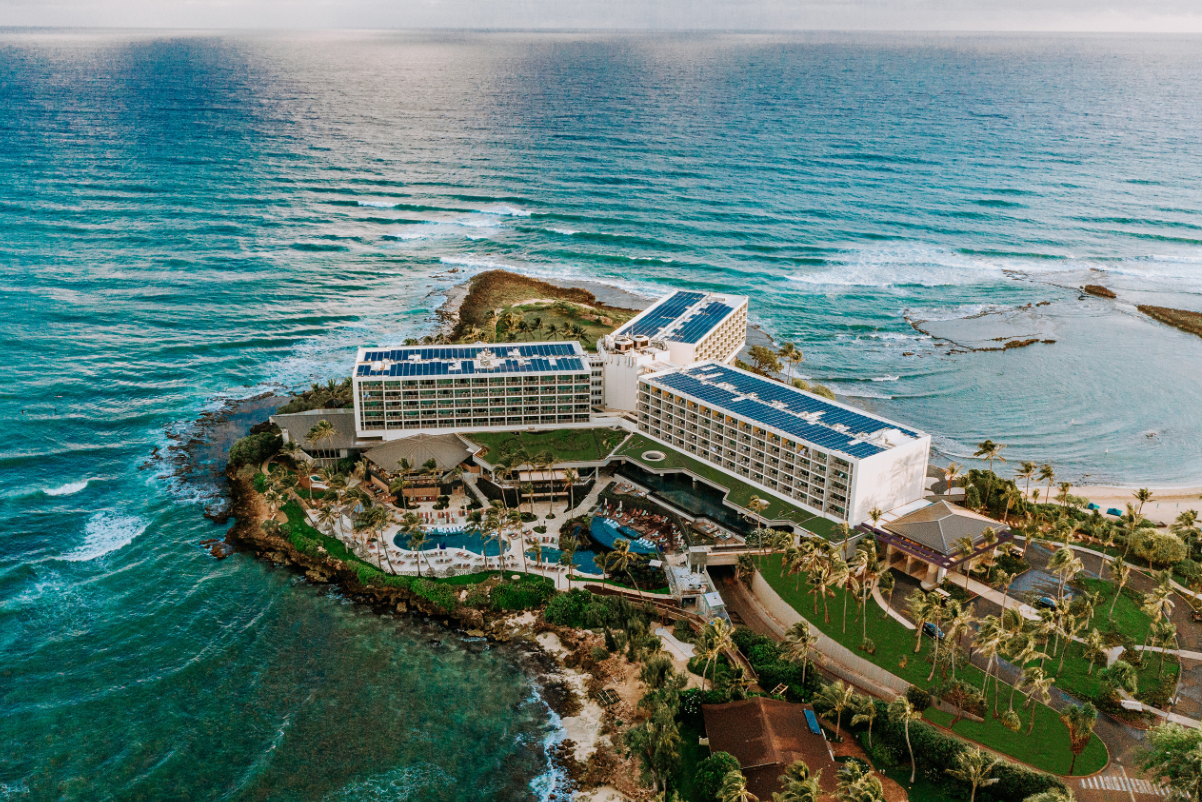
Marriott is one of the world's largest hotel groups, with brands that span the luxury Ritz-Carlton and JW Marriott to the limited-service Fairfield and Courtyard flags. The group's portfolio splits sharply by price tier, a theme we have covered in our own reporting.
We reported that luxury hotel brands drove RevPAR growth in the first half of 2026 while economy chains flatlined, with Marriott, Hilton and IHG all splitting by tier. This quarter's limited-service gains of more than 6% show the budget end of Marriott's range recovering.
Our guide to the world's most luxurious hotel brands lists Ritz-Carlton and JW Marriott among the houses owned by large groups alongside Accor, Hilton and Hyatt. We also profiled JW Marriott Venice, which answers overtourism with limited capacities and an on-site organic garden.
A group whose brands run from the Venetian palazzo to the roadside Courtyard is trimming its head office while its hotels perform. Fee growth of 14% is the engine those corporate roles supported, and it is still accelerating.
What comes next
The owner negotiations remain open, with Capuano leaving the door ajar on more concessions.
Support the content you love — it’s free 🎉
Add Worthbury as a preferred source on Google. Our stories will be more likely to appear in Google’s Top Stories. It’s free and supports our team. Thank you!
Add as preferred sourceYou can remove us any time in Google’s source preferences.
Thank you — you’re all set 🎉
Worthbury is now one of your preferred sources, so our briefings are more likely to appear in Google’s Top Stories.
Sources
This briefing is published daily using an AI-powered system crafted by Worthbury's team and finely tuned to meet our editorial standards. While we continuously test and review the output, mistakes can sometimes happen. Tell us if you spot one.
Images: Photo Credit: Exterior Marriott Bethesda Downtown near Marriott's headquarters; Photo Credit: Aerial view of The Ritz Carlton Oahu Turtle Bay