
Offe Market raises $3 million to take off-price retail online
Gannon's marketplace says 65 percent of its brand partners use it as their only off-price channel, and it will fund AI forecasting next.


Offe Market has secured $3 million in seed funding to build out its technology-driven off-price shopping platform. Slauson & Co. led the raise, with InvestTN and Baukunst also participating. The round brings the Los Angeles-based marketplace's total funding to $4.3 million.
Baukunst previously led the company's pre-seed round, so the new injection marks a step up in backing for a business built around moving excess inventory from fashion, beauty and lifestyle brands. The company sells that stock at discounts ranging from 30 to 80 percent off retail prices.
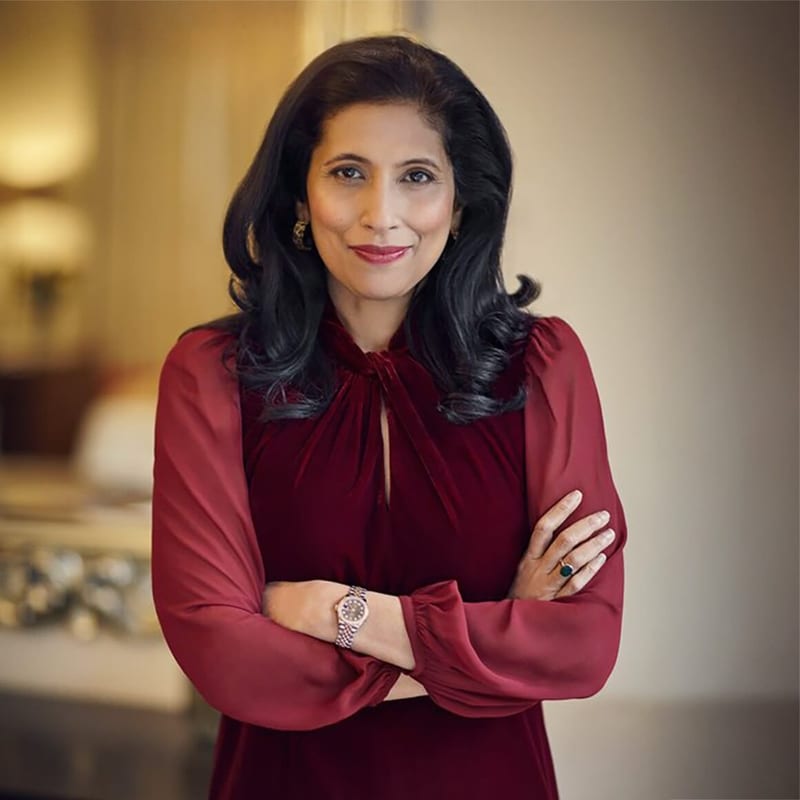
Rachel Gannon founded the company and serves as chief executive officer. It operates online and runs a store in L.A.'s Echo Park neighborhood, a space that doubles as an event venue and a content studio for the kinds of live and video shopping the company now wants to develop.
The company says it has grown 2.5 times year-over-year across revenue, shopper count and order volume. It has worked with more than 200 brands, among them Harper Wilde, Obey, Wrangler, Rachel Antonoff and Dolce Vita. That scale is now the foundation for the next phase.
The funding arrives as the company looks to grow its presence in online off-price retail. Waverly Middleton, an investor at Slauson & Co., framed the opportunity in a statement. Off-price is a multibillion-dollar industry, Middleton said, yet some of its biggest players generate less than 2 percent of sales online.
Middleton added that Offe Market offers a chance to reach a new generation of shoppers while giving brands a trusted channel to clear excess inventory. The thesis rests on the same tension Gannon herself names: every brand carries surplus stock, and the challenge is moving it without eroding brand value.
That is where the company draws its distinction from traditional discounters. Gannon contrasted its approach with chains such as Nordstrom Rack and TJ Maxx, saying established off-price retailers are effective at clearing product but ask brands to surrender control over pricing, presentation and the customer relationship.
Offe Market's model hands that control back. Currently 65 percent of its brand partners use the platform as their exclusive off-price channel, a figure that signals how little overlap brands see with conventional clearance routes. The company is also skewing young, with 60 percent of customers arriving for brand discovery.
What the new capital funds
The new funding will support the expansion of Offe Market's inventory intelligence platform. That includes AI-powered demand forecasting, pricing optimization and dynamic merchandising, alongside personalized product recommendations and live and video shopping experiences. Gannon described two areas of investment: smarter inventory management for brands and more personalized shopping for consumers.
On demand, accessories and versatile wardrobe staples are leading the way. Baggu consistently sells out, Gannon said, particularly its nylon crescent and bowler bags. She also cited Dolce Vita cowboy boots and design-forward home objects from Areaware as strong sellers.
Other popular labels on the marketplace include Organic Basics, Harper Wilde, Lisa Says Gah and & Other Stories. The assortment reaches beyond apparel and accessories into home goods, candles and skin care, drawing on brands including P.F. Candle Co., Nopalera and Chillhouse Nails.
Offe Market's pitch positions it against an off-price sector that remains heavily physical. Middleton's figure, that major players still generate under 2 percent of sales online, is the gap the company is built to fill. Its own store in Echo Park gives it a physical anchor while the digital offering carries the growth.
The competitive set
The company's reference points are the discount incumbents it is trying to outflank online. Nordstrom Rack and TJ Maxx dominate the clearance market but have historically run it through stores, and Gannon's argument is that a digital-first channel can clear inventory while letting brands keep control of how they appear.
The 65 percent exclusivity figure is the clearest evidence that brands see a different trade-off on Offe Market. Rather than route surplus through a discounter alongside everything else, they choose a single channel that feels closer to a curated sale than a liquidation.
The raise itself is modest next to the category's scale, and the company has not said how it will split the money between the two areas of investment. But the growth it cites, 2.5 times across three measures at once, gives a sense of momentum behind a small round.
Gannon said the company's customer base leans Millennial and Gen Z, with six in ten shoppers arriving for brand discovery rather than a specific product. That browse-led behavior suits the personalized recommendations the company is building, and it distinguishes the marketplace from a deal-hunter's search box.
Support the content you love — it’s free 🎉
Add Worthbury as a preferred source on Google. Our stories will be more likely to appear in Google’s Top Stories. It’s free and supports our team. Thank you!
Add as preferred sourceYou can remove us any time in Google’s source preferences.
Thank you — you’re all set 🎉
Worthbury is now one of your preferred sources, so our briefings are more likely to appear in Google’s Top Stories.
This briefing is published daily using an AI-powered system crafted by Worthbury's team and finely tuned to meet our editorial standards. While we continuously test and review the output, mistakes can sometimes happen. Tell us if you spot one.
Image: Rachel Gannon Courtesy of Offe Market