
Richemont's reported De Beers bid role wins RBC and Jefferies backing
De Beers' average realized price fell 32% to $105 a carat in the first half, and RBC expects any Richemont stake to be small.


Richemont and Signet are in advanced talks to join the Global Diamond Consortium, the group tipped to buy De Beers from its majority owner Anglo American, according to a Bloomberg report. Richemont could not be reached for comment and Signet declined to comment.
The consortium is led by Gareth Penny, a former De Beers chief executive, and includes the countries of Namibia and Angola. Botswana, which already part-owns De Beers, is planning to lift its stake in the miner from 15 percent to 25 percent.
Anglo American is selling its 85 percent stake as part of a wider restructuring meant to simplify its portfolio, create value for shareholders and divest noncore businesses. It will focus on copper, iron ore and fertilizer, and is seeking around $1 billion for the holding.
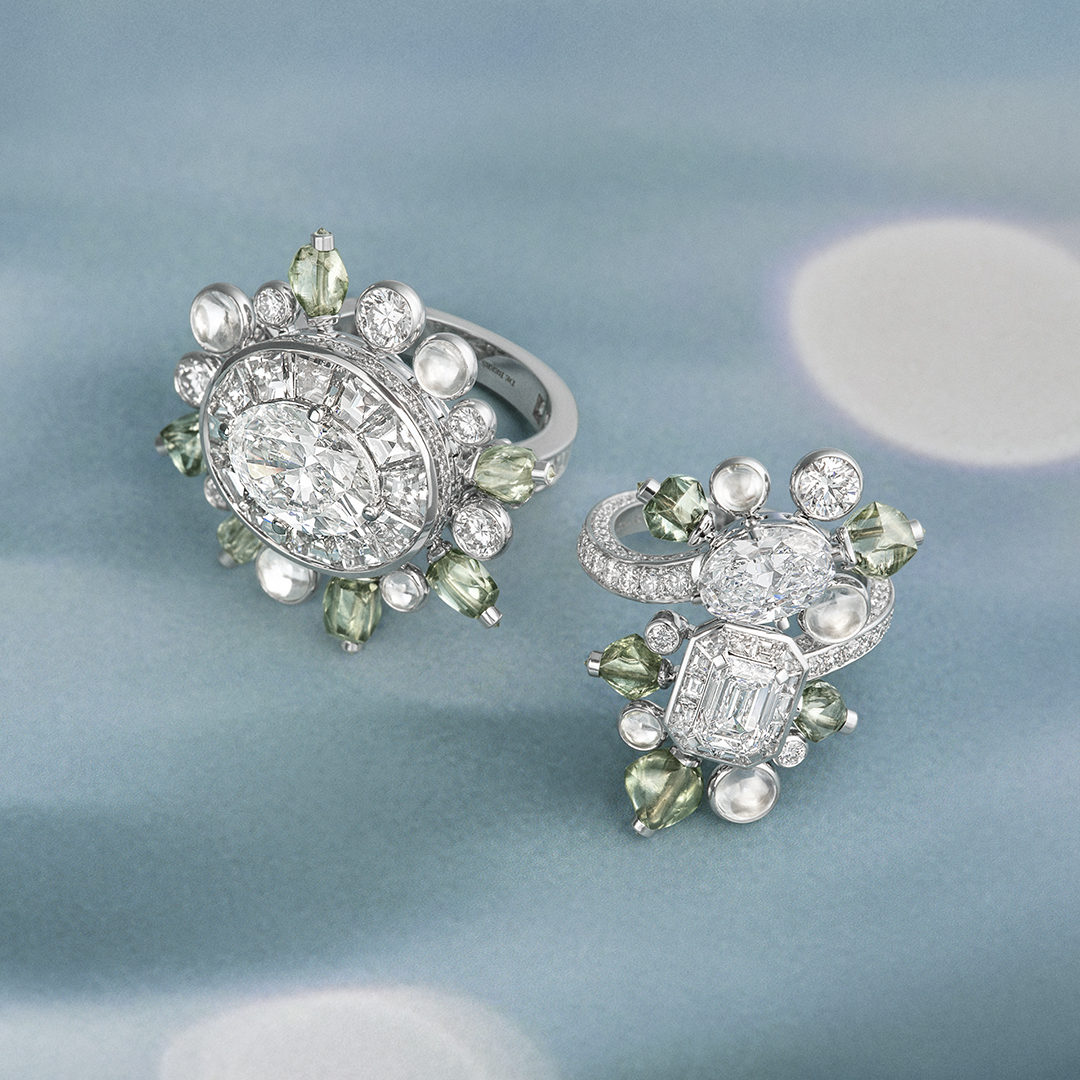
The sale would include the De Beers London jewellery brand, which has 37 stores globally and plays in the high-jewellery end of the market. De Beers itself, founded in 1888, explores, mines and markets diamonds and has shaped the global diamond market.
The deal arrives as natural diamond prices buckle under lab-grown competition. Synthetic stones now account for 50 percent of total diamond volume and 15 percent of total value, according to RBC Capital Markets, and they sell at a fraction of natural prices everywhere from high-end jewellers to supermarkets.
The pressure is visible in De Beers' own numbers. Its rough-diamond price index fell 16 percent year over year in the first half of 2026, and the average realized diamond price dropped 32 percent to $105 per carat.
What the analysts said
RBC's Piral Dadhania, in a report published on Thursday, called Richemont's potential participation "strategically meaningful, but more about optics and long-term natural diamond category positioning than a financial event." He said the stake would likely be "relatively small" given the number of existing and prospective owners.
Dadhania added that Richemont's net cash position of 8.5 billion euros means "we do not envisage a meaningful financial impact" on the group. Jewellery accounts for around 55 percent of Richemont's revenue, so backing natural diamonds is, he argued, a rational hedge against lab-grown competition.
RBC also noted that Richemont is likely among De Beers' largest customers, which would give it "an important voice in the future of the natural diamond industry." If big jewellers joined, it "could help to stabilize, and eventually improve, broader consumer perception of natural stones."
In a separate report, Jefferies' James Grzinic called an investment by Richemont "strategically sound." It could help the group "source very large, high-quality diamonds at a time when the boom in high jewelry sales has heightened the competition for multimillion-dollar stones."
Richemont, the Swiss luxury holding company, concentrates its strength in hard luxury, with Cartier and Van Cleef & Arpels anchoring a portfolio that also spans eight specialist watchmakers. In our guide to Richemont's brand empire, we found the Jewellery Maisons alone delivered 72 percent of group revenue in FY2025.
A dual-class share structure lets the Rupert family hold roughly 10 percent of equity while controlling 51 percent of voting rights. We reported Richemont naming Anton Rupert co-deputy chairman alongside Bram Schot as Johann Rupert's succession plan reached the board.
The wider natural diamond push
The London-based Natural Diamond Council rebranded last month as The Diamond Collective, with a stated mission of "reigniting the desire for natural diamonds." It aims to unite producers, retailers, brands, designers and new voices around shared priorities for growth.
Chief executive Amber Pepper said the organisation will "bring the extraordinary story of natural diamonds into culture, strengthen trust in what makes them unique" and inspire a new generation to choose them, turning emotional desire into lasting demand.
Botswana is pushing the message too. De Beers and the government of the Republic of Botswana have enlisted Olympic gold medallist Letsile Tebogo to promote the country as a heartland of natural diamonds and to mark 60 years of independence.
Bogolo Kenewendo, Botswana's minister of minerals and energy, said natural diamonds "have helped transform our country and create opportunities for generations of Batswana." The partnership, he added, will share Botswana's story with global audiences.
Support the content you love — it’s free 🎉
Add Worthbury as a preferred source on Google. Our stories will be more likely to appear in Google’s Top Stories. It’s free and supports our team. Thank you!
Add as preferred sourceYou can remove us any time in Google’s source preferences.
Thank you — you’re all set 🎉
Worthbury is now one of your preferred sources, so our briefings are more likely to appear in Google’s Top Stories.
This briefing is published daily using an AI-powered system crafted by Worthbury's team and finely tuned to meet our editorial standards. While we continuously test and review the output, mistakes can sometimes happen. Tell us if you spot one.
Image: Courtesy of De Beers London