

Walmart backs Zipline with 300 more drone sites in a $1.5bn raise
Zipline's valuation is now $21.5 billion, against $7.85 billion earlier this year, and Uber is both an investor and a delivery partner.


Zipline closed a $1.5 billion funding round at a $21.5 billion post-money valuation, pairing the raise with a multi-year national agreement under which Walmart will scale the partnership to 300 more drone delivery sites. The company has flown for Walmart since 2021 in northwest Arkansas.
The combination moves the delivery company further past a series of regional pilots toward a nationwide network built around large retail and food partners. Zipline expanded its Walmart collaboration into the Dallas-Fort Worth area of Texas earlier this year.
The round was led by Paradigm, WCM Investment Management and Layer Global. Valor, Fidelity, Uber, Tiger Global, J.P. Morgan, ARK Invest and Salesforce Ventures also took part. Paradigm had already put $200 million into Zipline in March, before returning as a lead.
Zipline said the capital will go to expanding its U.S. manufacturing facilities and ramping up hiring. Zipline argues that demand for faster delivery is outpacing what ground networks can manage amid congested roads and rising costs.
The valuation is a sharp repricing. The Wall Street Journal reported Zipline at $7.85 billion earlier this year, and in September the company was said to be in talks to raise about $1 billion at roughly $20 billion. The closed round came in larger on both counts.
Walmart's 2 million drone deliveries
Walmart runs the biggest retail drone delivery programme in the U.S., with more than 2 million deliveries completed. It is the largest single commitment behind the expansion, which draws on a store network that puts 90 percent of Americans within 10 miles of a Walmart.
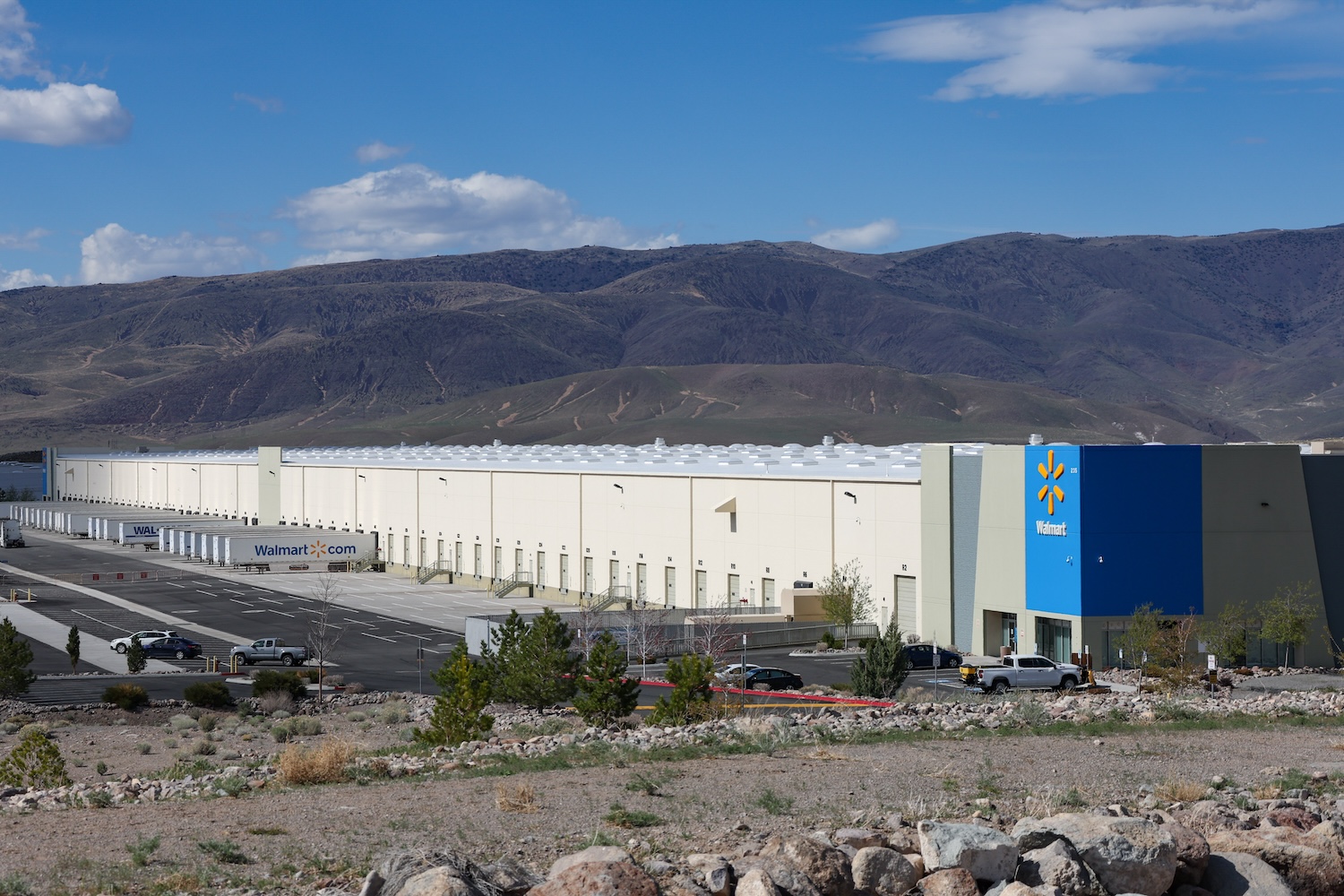
Greg Cathey, senior vice president of e-commerce fulfillment transformation at Walmart, said customers try drone delivery for the novelty and keep returning for the convenience when they need something in minutes. He called the stores Walmart's proximity advantage to the communities it serves.
Zipline chief executive Keller Cliffton cast the expansion as a shift in how customers behave once speed becomes routine. Five years ago, he said, autonomous delivery seemed impossible to most people. Today, in his words, customers order from the company multiple times a day.
Cliffton added that getting an order in 10 to 30 minutes takes a huge amount of anxiety out of life, letting people plan around loved ones rather than errands. Uber, which announced a strategic partnership with Zipline in August for Uber Eats, is the other anchor partner.
Uber has also invested in Zipline separately, and its first deployments are planned for later this year in markets Zipline already serves. Both companies are aiming for 1 million drone deliveries a day by the end of 2029, which would need dozens of cities beyond Dallas and Houston.
The Dallas operating record
Dallas-Fort Worth supplies most of the evidence so far: Zipline reports over 1 million deliveries there this year. In October the median order arrived 19 minutes after checkout, against more than 30 minutes for traditional delivery.
Among its longest-tenured restaurants, Zipline's share of delivery revenue rose from 10.8 percent to 34.9 percent between March and October, with delivery gross merchandise value up 26 percent. Eighty percent of that increase came from Zipline orders.
That growth comes off a small base. Zipline says only 5 percent of U.S. restaurant orders are for delivery, and most of those are limited to customers within a couple of miles of a store. It has flown 150 million commercial autonomous miles with no safety incident.
The rules for scale are unfinished. The FAA's Part 108 rule would make routine beyond-visual-line-of-sight flying standard instead of approved case by case, and it has awaited review at the White House regulatory office since July. Zipline flies under Part 135 approvals today.
A separate Zipline proposal before the FAA would allow up to 220,000 deliveries a day across Houston, San Antonio, Austin, Amarillo and El Paso. That compares with roughly 30,000 daily deliveries authorised in Dallas-Fort Worth.
Rivals are moving in parallel. Alphabet's Wing works with restaurant, retail and healthcare partners, DoorDash is developing its own drones, and Amazon Prime Air expects to offer drone delivery in more than 500 select markets. Zipline operates in Texas, Arkansas and Ohio, with Arizona to follow soon.
Support the content you love — it’s free 🎉
Add Worthbury as a preferred source on Google. Our stories will be more likely to appear in Google’s Top Stories. It’s free and supports our team. Thank you!
Add as preferred sourceYou can remove us any time in Google’s source preferences.
Thank you — you’re all set 🎉
Worthbury is now one of your preferred sources, so our briefings are more likely to appear in Google’s Top Stories.
This briefing is published daily using an AI-powered system crafted by Worthbury's team and finely tuned to meet our editorial standards. While we continuously test and review the output, mistakes can sometimes happen. Tell us if you spot one.
Images: Walmart