Bal Harbour Shops completes its 200,000-square-foot luxury expansion
A $740 million loan paid for the work, which had to move a church after what the chief executive called a 40-year negotiation.


Bal Harbour Shops has completed its two-level, 200,000-square-foot expansion, a project decades in the making that grows the Miami centre to 600,000 square feet and brings 30 new luxury shops and restaurants to the property over the coming months.
The new wing, called the West Shops, opens on a rolling basis beginning this month and through next year. Khaite, Boucheron, Tom Ford, Louis Vuitton, Celine, Eden Gallery, Moorer, Elie Saab, Messika and Paul & Shark are among the newcomers arriving there.
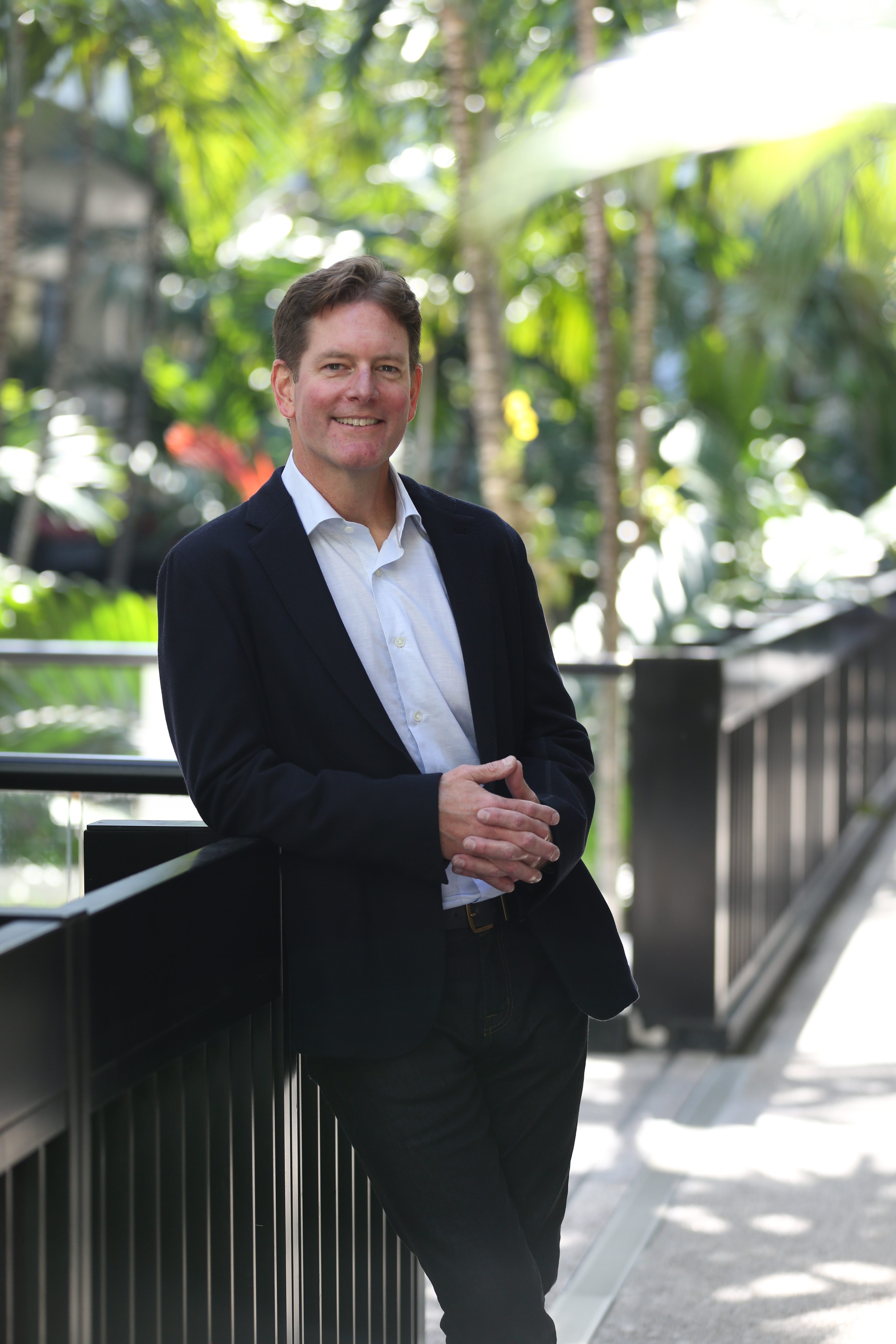
The project was backed by a $740 million loan secured by Whitman Family Development, which has owned the centre through three generations. Matthew Whitman Lazenby, the company's president and chief executive, called it the most significant expansion in the centre's history.
Who is moving in
Several established tenants took the expansion as a chance to enlarge or relocate. Saint Laurent, Roger Vivier, Bottega Veneta, David Yurman, Zegna, Pomellato, Santoni, Graff, Rene Caovilla, Loro Piana, Etro, Jacob & Co. and The Webster all moved into larger spaces in the West Shops.
Zimmermann, Golden Goose, Vilebrequin, Elisabetta Franchi, Scanlan Theodore and Ermanno Scervino joined that list. Bottega Veneta is an Italian house known for its leather goods and ready-to-wear, while Loro Piana is renowned for textiles and cashmere.
Louis Vuitton, the French house we covered when it named Tiffany's Hector Muelas chief brand creative officer in November, and Tom Ford, the brand founded in 2005, both open new shops in the West Shops. Celine, the Paris house founded in 1945, also debuts there.
Khaite, a New York label known for modern women's ready-to-wear, opens a shop in the new wing as well. Toteme and Peserico have just opened in the older section, the East Shops, while Lululemon and Simkhai are expected to arrive in 2027.
The hurdles behind the delay
The work had been stalled for years by community opposition, entitlements, complicated construction plans and the pandemic. Lazenby said the biggest obstacle was always permission rather than money or design. "Getting the entitlements," he said, "was way more of an uphill battle than it should have been."
Other brands follow in 2028. The centre also had to relocate a Congregational church on the property, getting the congregation to agree to sell, then demolishing and rebuilding it in nearby Bay Harbor Islands. Lazenby called it a 40-year negotiation across generations.
A new parking garage now stands where the church was, replacing an old garage demolished for the expansion. The West Shops has two retail levels with parking above, though the city has allowed one parking level to convert to retail later, anticipating fewer cars as autonomous vehicles spread.
The design was meant to feel seamless with the older part of the centre. "We don't want someone here for the first time to know the old from the new," Lazenby said. The West Shops echoes the East Shops' lush tropical feel with koi ponds, waterfalls and white buildings with black railings.
The centre is doubling its restaurant count to at least eight, and possibly 12, as the department store business shifts. Lazenby said restaurants drive meaningful traffic. The original centre, opened in 1965 by Lazenby's late grandfather Stanley Finch Whitman, is on a former Second World War barracks site.
Whitman brought Fifth Avenue retailers to Miami Beach and created an open-air tropical setting with restaurants, palm trees, valet parking and concierge service. He planned vertical and horizontal growth from the start, adding an upper level in the 1980s after Neiman Marcus and Saks arrived.
What the centre earns
The centre's annual sales range from $900 million to $1 billion, between $2,000 and $3,000 a foot, up 35 percent since before the pandemic. The average transaction runs about $1,600, and customers visit 19 times a year and stay about two hours.
Sales through August rose 4 percent. "In this economy and market, that's a win," Lazenby said, adding that the figure would be higher but for jewellery's 8 percent decline, tied almost entirely to one massive Graff sale last year that was not repeated.
Fine jewellery and watches, ready-to-wear and restaurants are the historical top performers. Lazenby said at least half of visitors are international tourists or people with second homes in the Miami area, and more than 100 employees arrive by bicycle every day.
Litigation with Saks Fifth Avenue over uncollected rent since the pandemic continues, though the Saks store still operates there alongside Neiman Marcus. Longer-term plans call for roughly 500 residential units, a hotel and another tower under Florida's Live Local Act.
Lazenby does not give shopper traffic figures, repeating his grandfather's line to tenants: "If you want to see people, go to China." He said the centre says it has the highest visitation rate in its competitive set, at 19 visits a year.
Support the content you love — it’s free 🎉
Add Worthbury as a preferred source on Google. Our stories will be more likely to appear in Google’s Top Stories. It’s free and supports our team. Thank you!
Add as preferred sourceYou can remove us any time in Google’s source preferences.
Thank you — you’re all set 🎉
Worthbury is now one of your preferred sources, so our briefings are more likely to appear in Google’s Top Stories.
This briefing is published daily using an AI-powered system crafted by Worthbury's team and finely tuned to meet our editorial standards. While we continuously test and review the output, mistakes can sometimes happen. Tell us if you spot one.
Images: Courtesy of Bal Harbour Shops; Bal Harbour Shops