Kering and LVMH raise the minimum age for models to 18 from 2027
Scenes with partial nudity will need prior formal consent and a dedicated space, and the groups name no penalty for breaches.


Kering and LVMH have updated the joint charter on models' working conditions they first signed in 2017, introducing rules their own statements call stricter and more decisive. The new agreement targets gender-based and sexual violence and extends protection to younger people in the industry.
The three changes lead with age. The minimum age for models portraying adults at shows or in photo shoots rises to 18, replacing the floor of 16 LVMH set in 2017. For Kering the figure represents a deepened commitment, an evolution rather than a restatement of the old line.
Kering is the Paris-based group behind Gucci, Saint Laurent and Bottega Veneta, and LVMH the world's largest luxury conglomerate, born in 1987 from the merger of Louis Vuitton and Moët Hennessy. The two rivals have now spent close to a decade shaping a common standard for the people who walk their runways.
The charter also establishes a zero-tolerance principle toward every form of gender-based and sexual harassment, abuse or violence. Antoine Arnault, head of image and environment at LVMH, said the protection of models is not a one-off measure but a commitment shared by everyone in the sector.
He named the stakeholders explicitly: brands, agencies, casting directors and the models themselves. The LVMH group, he said, aims to help bring about lasting change in practices across the fashion industry. Marie-Claire Daveu, chief sustainability and institutional affairs officer at Kering, struck the same chord of responsibility.
Almost ten years on from the first charter, Daveu said, it is Kering's responsibility to go further. The strengthened charter, she added, reflects a simple conviction that the respect, safety and dignity of those who embody fashion are non-negotiable, and that collectively raised standards can change practice across the profession.
What the action plan covers
A comprehensive action plan backs the standards with training and awareness-raising for brands, agencies and the teams involved in castings, shows and shoots. Monitoring is stepped up at every stage, and the rules get markedly more specific where nudity is involved, including partial nudity.
For such scenes a model must first give formal consent, a dedicated space must be provided, and the model may never be left alone with a member of the production team. That last condition is the awkward, concrete one: it legislates against a practice the industry has long left to trust.
Anonymous and secure reporting procedures join the package, alongside unannounced workplace audits. The charter ends by reaffirming the principles of inclusion and non-discrimination in talent selection, while saying it fully respects the artistic freedom of individual brands.
The nuance is worth holding: the two groups police age, consent and safety, but decline to dictate how any maison casts on creative grounds. Brand by brand, design houses retain control of the aesthetic, even as the structural conditions around the model tighten.
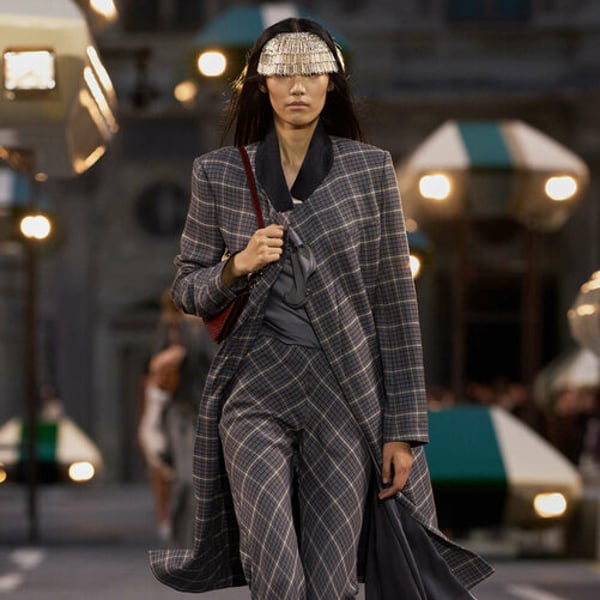
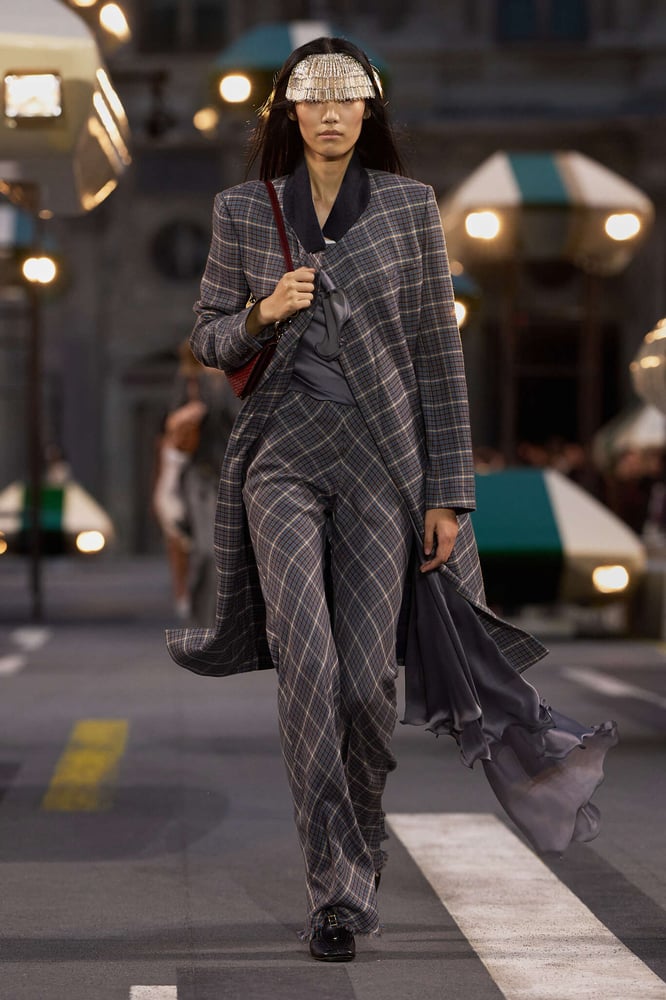
The new rules come into force from the next Paris Fashion Week in 2027. That timetable gives agencies and houses time to absorb the change, and it makes the French capital the first runway where the higher age floor and consent requirements apply.
The wider LVMH and Kering picture
When we mapped the Arnault empire, we noted its fashion-division operating margins above 25 percent and €84.7 billion in 2024 revenue across 75 houses. A charter like this is the reputational cost of that scale, the licence to keep extracting value from prestige without controversy attached.
We have also tracked how LVMH deploys its capital, from the reported move on a 15 percent stake in Armani Group alongside L'Oréal and EssilorLuxottica to the MarcyPen talks over Fenty Beauty. The model charter is the softer counterpart: governance of people rather than governance of ownership.
Kering's governance story runs the other way. When we looked at next-generation luxury leaders, we observed that François-Henri Pinault handed daily leadership to an outside CEO while the family kept financial stewardship through Artemis. Daveu's role here is institutional, not operational, and the charter is hers to carry.
What the two groups have not disclosed is the penalty for breach. Unannounced audits and anonymous reporting are the enforcement tools on offer, but no sanction is named for a brand or agency that fails, and the 2027 season will be the first test.
Support the content you love — it’s free 🎉
Add Worthbury as a preferred source on Google. Our stories will be more likely to appear in Google’s Top Stories. It’s free and supports our team. Thank you!
Add as preferred sourceYou can remove us any time in Google’s source preferences.
Thank you — you’re all set 🎉
Worthbury is now one of your preferred sources, so our briefings are more likely to appear in Google’s Top Stories.
This briefing is published daily using an AI-powered system crafted by Worthbury's team and finely tuned to meet our editorial standards. While we continuously test and review the output, mistakes can sometimes happen. Tell us if you spot one.
Images: FashionNetwork; Louis Vuitton – SS 2027 – Womenswear – Paris - ©Launchmetrics/spotlight