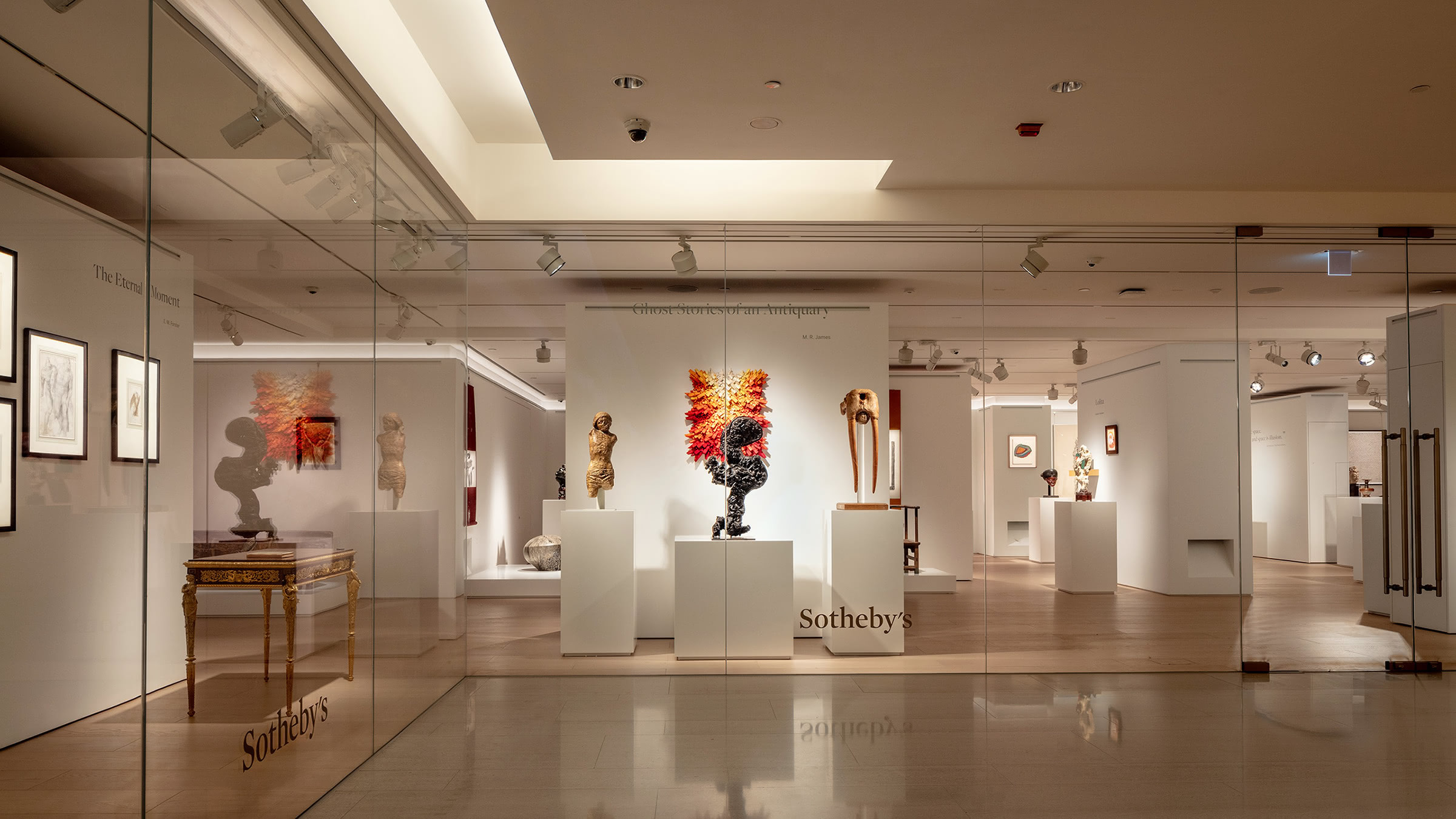

Loro Piana opens a fossil fuel free knitwear hub in Ghemme, Italy
The Piedmont site took three years to build and includes a museum, an artisan academy and a design award installation.


Loro Piana has opened a new centre of excellence dedicated entirely to fully fashioned knitwear in Ghemme, in Italy's Piedmont region. The LVMH-owned maison describes the site as the result of three years of work and says it deepens the vertical integration of its production.
The facility spans more than 8,000 square metres and brings together the entire production cycle, from yarn to finished garment, inside one multifunctional hub. Loro Piana says it will employ around 300 people as it reaches full capacity over the coming years, backed by targeted training investment.
That training runs through the Accademia dei Mestieri, founded in 2015 and housed in the site's former caretaker's house. It operates alongside LVMH's Métiers d'Excellence network and teaches programming, linking, hand finishing and mending, passing on what the maison calls its 59 artisanal trades.
What the site replaces
Ghemme lies near Loro Piana's existing factories in Roccapietra and Quarona, in an area with a long textile history. The maison acquired the site in 1987, when it housed a paper mill, and it later spent more than a century as a cotton mill known as Filatura Pettinata Ghemme.
The regeneration kept emblematic features of that history, including the site's water tower and the former caretaker's house, rather than clearing the plot for a wholly new build. Loro Piana frames the project as breathing new life into a site with an established industrial identity.
Loro Piana calls Ghemme its first production facility designed without the use of fossil fuels, and the building has been constructed to LEED Gold certification requirements. Photovoltaic arrays, rainwater harvesting and smart energy management run the site, and natural shading keeps direct sunlight off workstations.
The building itself uses expansive windows and wooden facades with rounded profiles, a design the maison says evokes the fluidity of fibres and creates visual continuity with the surrounding landscape. Interior walls are finished in hand trowelled plaster with an irregular texture throughout.
Employee wellbeing shaped the layout too: the complex includes internal courtyards, gardens and a staff canteen. Loro Piana positions these as deliberate choices rather than incidental additions, part of a facility built around the people working inside it as much as the product leaving it.
What the plant actually processes
Ghemme is designed to handle Loro Piana's most precious raw materials: cashmere, baby cashmere, vicuna, Merino wool, black sheep's wool and the maison's own Loro Piana Royal Lightness. Production runs through six stages, with quality controls applied at every one of them.
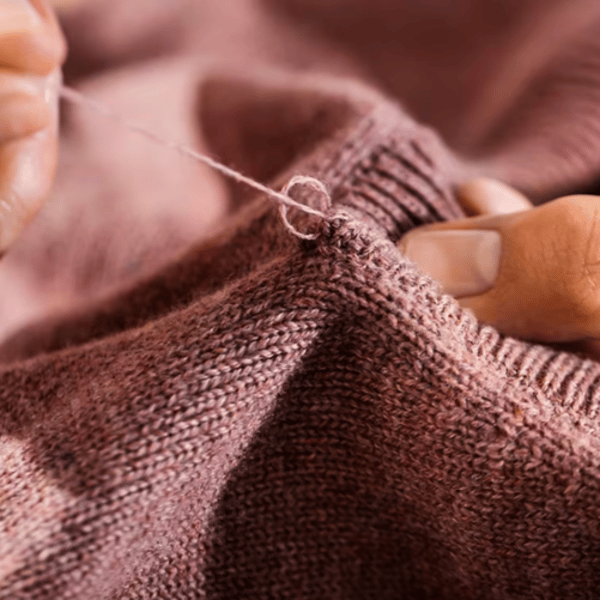
Work begins with research and development and CAD programming, followed by the real time knitting of programmed panels. Garment construction then covers linking, hand finishing, flat knitting machines and precision mending, before the process closes with washing and ironing.
The facility's entrance houses the Loro Piana Museum, split into three sections. One is a tactile wall letting visitors feel raw fibres sourced from Australia, New Zealand, Mongolia, Peru, Argentina and Bolivia, tracing the maison's supply chain back to its origin points.
A second section traces the maison's knitwear history from the nineteenth century to the present through documents and archive yarns. A third is devoted to craft, featuring a jumper deconstructed into its individual components alongside a corridor of stitch and cashmere yarn combinations.
The centre also holds a permanent installation for the Loro Piana Knit Design Award, a competition the maison established in 2016 to draw young talent from leading fashion schools worldwide, tying the new plant to its longer running talent pipeline.
An LVMH house doubling down on Italian craft
Loro Piana is the Italian luxury house LVMH holds for its high quality textiles and cashmere, and Ghemme is where the group is choosing to make, rather than buy, the delicate stages of that supply chain. LVMH itself was formed in 1987 from the merger of Louis Vuitton and Moet Hennessy.
LVMH has built its fashion division on operating margins above 25 percent across 75 houses and €84.7 billion in 2024 revenue, a model that rewards precisely this kind of investment in craft infrastructure the group controls directly rather than licenses or outsources.
We have covered LVMH's willingness to move executives and capital between its houses, from Alexandre Oules's move into the beauty division's leadership to Celine's new Beverly Hills flagship. Ghemme fits that same pattern of a conglomerate investing deliberately behind its individual maisons.
Support the content you love — it’s free 🎉
Add Worthbury as a preferred source on Google. Our stories will be more likely to appear in Google’s Top Stories. It’s free and supports our team. Thank you!
Add as preferred sourceYou can remove us any time in Google’s source preferences.
Thank you — you’re all set 🎉
Worthbury is now one of your preferred sources, so our briefings are more likely to appear in Google’s Top Stories.
This briefing is published daily using an AI-powered system crafted by Worthbury's team and finely tuned to meet our editorial standards. While we continuously test and review the output, mistakes can sometimes happen. Tell us if you spot one.
Images: Loro Piana; FashionNetwork