
McLaren tells retailers it is pivoting from performance maker to luxury lifestyle brand
The redesign follows McLaren's decision last year to create a chief creative officer role under David Woodhouse.


McLaren has told its retail network it is abandoning the clinical, Apple-store look of its dealerships for the opulent styling of luxury fashion boutiques, part of a wider pivot from performance manufacturer to lifestyle brand. The plan was set out in a confidential briefing to retailers rather than a public announcement.
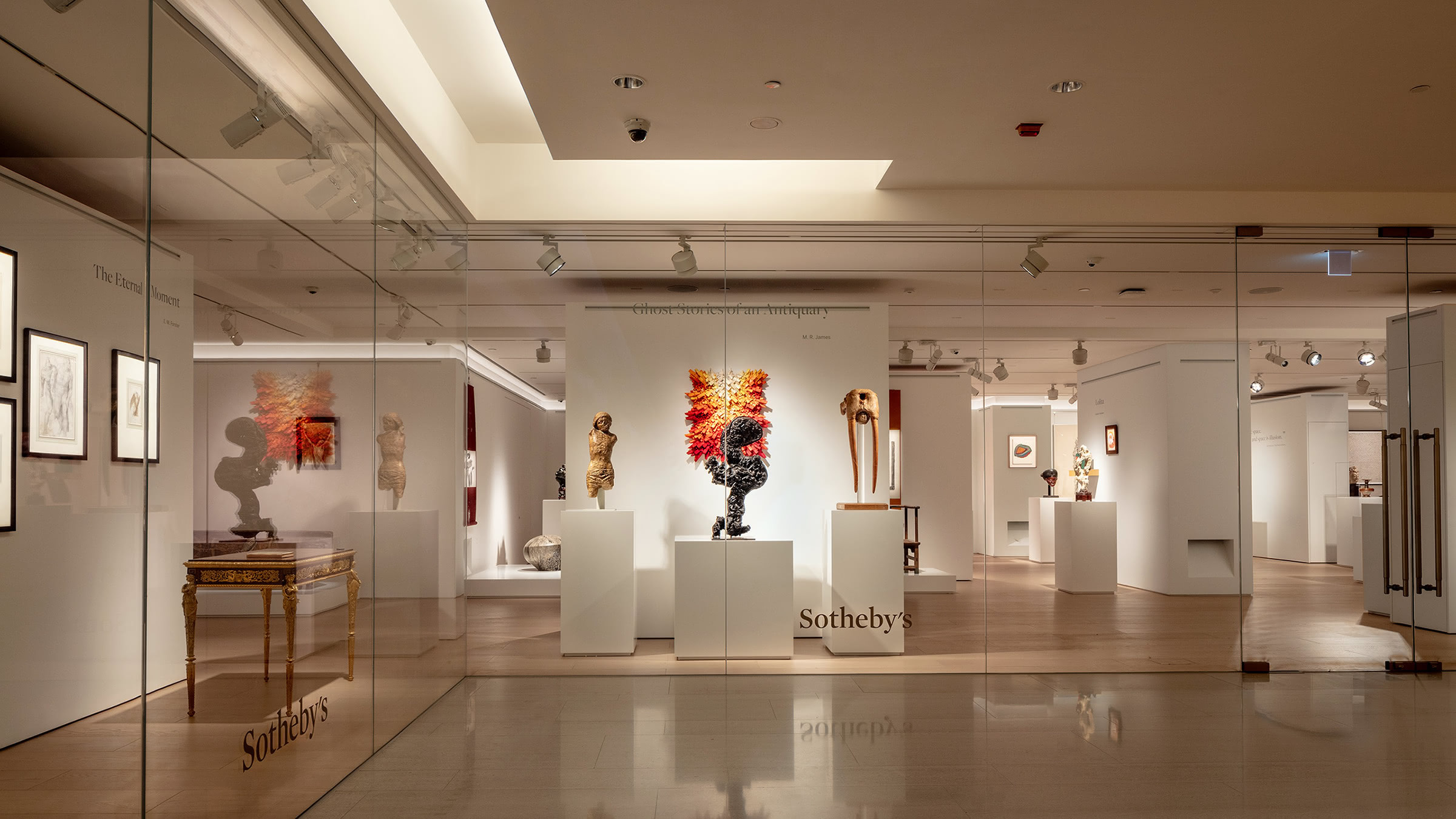
The showroom overhaul is described as the most immediate cultural shift. McLaren wants its retail spaces to evoke the ambience of stores run by Gucci, Louis Vuitton or Burberry rather than the track-focused, glass-and-steel format that has defined its dealerships for years. The change is a deliberate repositioning against high-end lifestyle brands.
What the new supercar brings
The lead product in the plan is a mid-engined supercar codenamed P34, expected to arrive next summer. It is built around a hybridised twin-turbo V6, the same broad configuration used in the Artura, which moves McLaren away from the V8 engines that have defined its range for years.
Output is put at around 810 horsepower and 800 pound-feet of torque, positioning the P34 between the Artura and the 750S in McLaren's own lineup. It is expected to carry a starting price of around $310,000, undercutting the 750S, and McLaren reportedly plans to build about 1,000 units in its first year, with next summer the one element of the plan carrying a stated timeline.
The exterior is reportedly longer and more dramatic than the current Artura profile, with the P34 styled to look and feel more expensive than the car it effectively is alongside. Inside, McLaren is adding new leather seats and a fresh array of LED screens aimed squarely at rival luxury cabins.
What else is coming
Beyond the P34, McLaren's pipeline reportedly includes a front-engined grand tourer described as sedan-like, and a long-rumoured SUV, both slated for release well after the P34 and the dealership redesign. Neither has a confirmed timeline attached to it in what retailers were shown.
Former McLaren executive Michael Leiters said in 2024 that an SUV or a grand tourer would be central to the company's future profitability, a view the current roadmap now appears to act on. Passenger-friendly segments have long been the obvious gap in a range built almost entirely around two-seat supercars.
A McLaren spokesperson declined to comment when asked about the plan, saying only that the company does not comment on speculation. That leaves the roadmap unconfirmed officially, even as it has already been shown to the retail network expected to sell it.
Why McLaren is known for racing, not retail
McLaren is a British manufacturer known primarily for high-performance sports cars and its Formula 1 team, a heritage built on track credibility rather than fashion or lifestyle positioning. The retail overhaul asks McLaren showrooms to carry a different kind of weight than lap times and horsepower figures.
We reported last year that McLaren had created a chief creative officer role and hired David Woodhouse to sharpen its design and brand identity as competition among ultra-luxury performance carmakers intensified. This retailer briefing reads as the next stage of that same effort, applied to physical retail rather than product design alone.
The strategy mirrors a pattern we have tracked elsewhere in luxury, where single-category specialists widen into lifestyle positioning to defend margin and relevance. We covered Sabyasachi's move to broaden into a global luxury lifestyle brand and Byredo's push into wider distribution through Sephora as comparable category expansions.
Gucci is the house McLaren is reportedly styling its new showrooms after. Founded in Florence in 1921, Gucci is one of Kering's roughly dozen personal-luxury houses and, on our own accounting, drives about 41% of that group's revenue, more than any single brand contributes to a rival conglomerate.
That gap between the two companies is also the awkward part of the story. Gucci sells handbags and ready-to-wear at boutique scale across thousands of doors, while McLaren sells a handful of six-figure cars a year from a comparatively small dealer network worldwide.
No source confirms whether the showroom redesign will be paired with an expanded retail footprint, added staff or new locations, and McLaren has not put a figure on how many dealerships will be rebuilt or when the rollout begins beyond the P34's timeline.
Kering itself has leaned on Gucci's jewellery neighbours and its in-house eyewear division for growth while selling brands that no longer fit its portfolio, a model we have set out in our guide to Kering's roster. McLaren borrowing Gucci's retail language shows how far its ambition now reaches beyond horsepower.
Support the content you love — it’s free 🎉
Add Worthbury as a preferred source on Google. Our stories will be more likely to appear in Google’s Top Stories. It’s free and supports our team. Thank you!
Add as preferred sourceYou can remove us any time in Google’s source preferences.
Thank you — you’re all set 🎉
Worthbury is now one of your preferred sources, so our briefings are more likely to appear in Google’s Top Stories.
This briefing is published daily using an AI-powered system crafted by Worthbury's team and finely tuned to meet our editorial standards. While we continuously test and review the output, mistakes can sometimes happen. Tell us if you spot one.