
Savills: luxury brands chase US wealth into suburbs and small towns
North America took 27% of luxury store openings in 2025, the largest share of any region.


Personal wealth in the United States is spreading across the country, and luxury brands are following it into affluent suburbs and small towns rather than relying on the established gateway cities. That is the conclusion of a new study from Savills, the global real estate services company headquartered in London.
The report, titled “America’s Expanding Luxury Map,” was written by Todd Siegel, Savills’ president of U.S. Retail. It argues that retail success today depends on identifying where the next cohorts of affluent consumers are emerging, rather than waiting for wealth to concentrate in the traditional destinations.
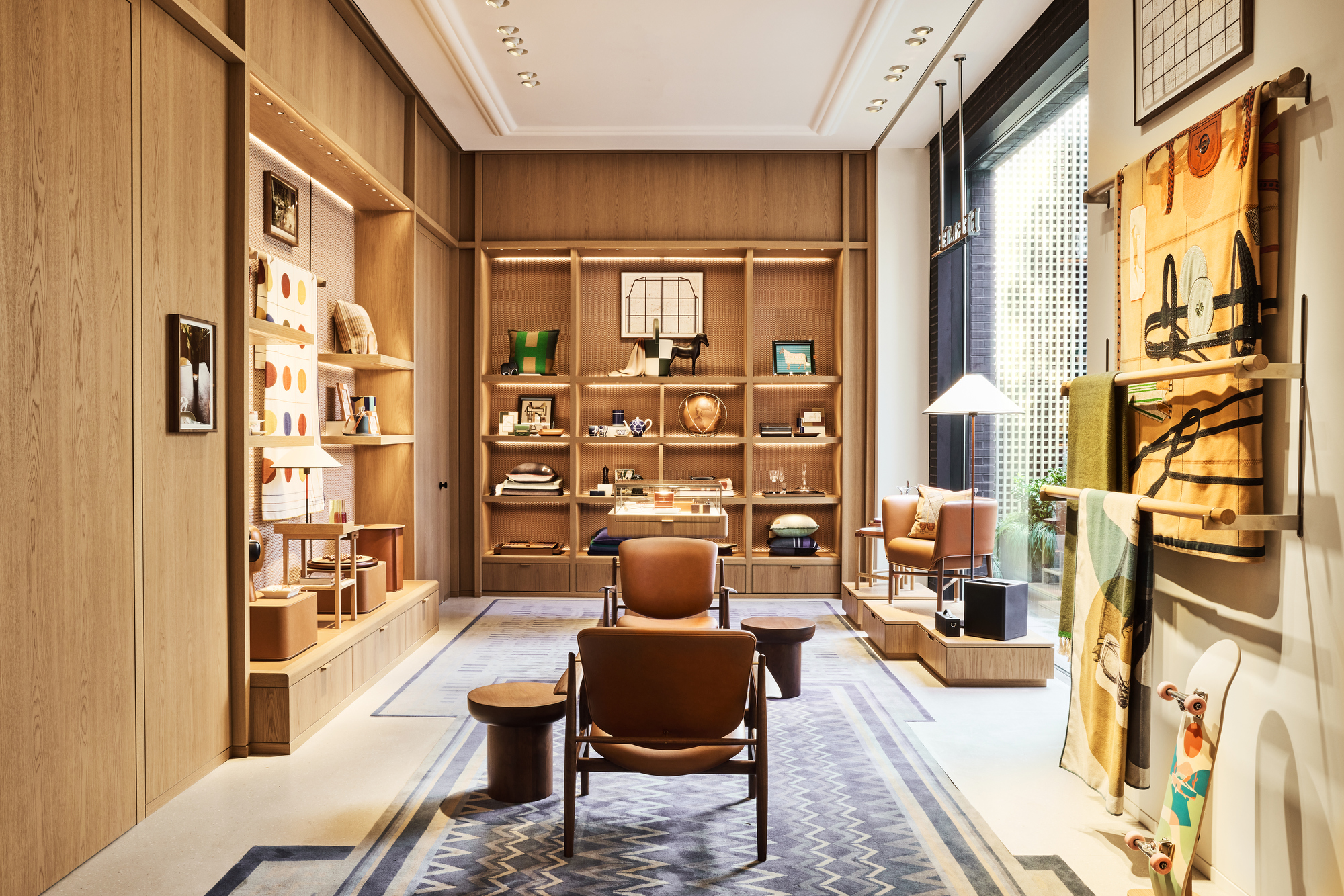
Hermès leads the examples in the study. The maison is using customer, demographic and location data to identify “growing concentrations of wealth,” and is opening stores in Short Hills, New Jersey, and Wilmette, Illinois. Savills frames this as a broader industry move to bring luxury retail closer to affluent consumers.
Much of the new American wealth is being generated locally, the report finds, through sectors such as technology, finance, energy and health care as well as entrepreneurial businesses. Investment in luxury residential developments, hospitality and lifestyle amenities is simultaneously strengthening the appeal of a growing number of markets.
Scottsdale is named as one of the clearest examples of new wealth creation, adding millionaires faster than almost any other city worldwide. Loro Piana, Hermès and Montblanc each chose Scottsdale Fashion Square for an Arizona-first boutique, a sign that brands now treat secondary wealth pockets as more than tourist outposts.
In Dallas, regional wealth is also flowing from local investment. Savills notes the city has long held a substantial affluent consumer base and an established luxury shopping culture. Recent investment, it says, demonstrates how strong underlying fundamentals can support new luxury destinations even inside an already mature market.
Knox Street, north of downtown Dallas, has emerged as what the report calls “a hotbed for luxury retail activity.” The neighbourhood has attracted brands including Toteme, Staud, Dôen and Cult Gaia, alongside a new 10,000-square-foot Conservatory, a multibrand, cross-category concept store.
The area is also home to The Knox, an Auberge Collection hotel and residences, which makes it a destination for luxury shopping, dining and hospitality in a single district. That combination of retail, hotel and residences is what the report points to in Dallas.
Gateway cities still lead
The gateway markets are not fading. New York, Miami and Los Angeles continue to flourish. New York, home to an estimated 384,500 millionaires, has topped the latest Savills “Next-Generation Wealth Hubs Index” once again, and Savills describes it as “one of the world’s leading centers of wealth and influence.”
Miami, San Francisco and Los Angeles also rank among the global top five in that index. Savills says this “highlighting the depth of affluent consumers” continues to underpin the wider U.S. luxury market, even as secondary and suburban locations take more of the new openings.
The Savills Global Luxury Retail Outlook 2026 found that North America accounted for 27 percent of luxury store openings in 2025. That is the largest share of any region, and the first time North America has topped the table since Savills started tracking activity in 2016.
New York also regained its position as the world’s busiest city for new luxury store openings, where activity climbed 23 percent from a year earlier. The report pairs this with the suburban shift: depth in the gateways, and fresh expansion in the pockets of wealth beyond them.
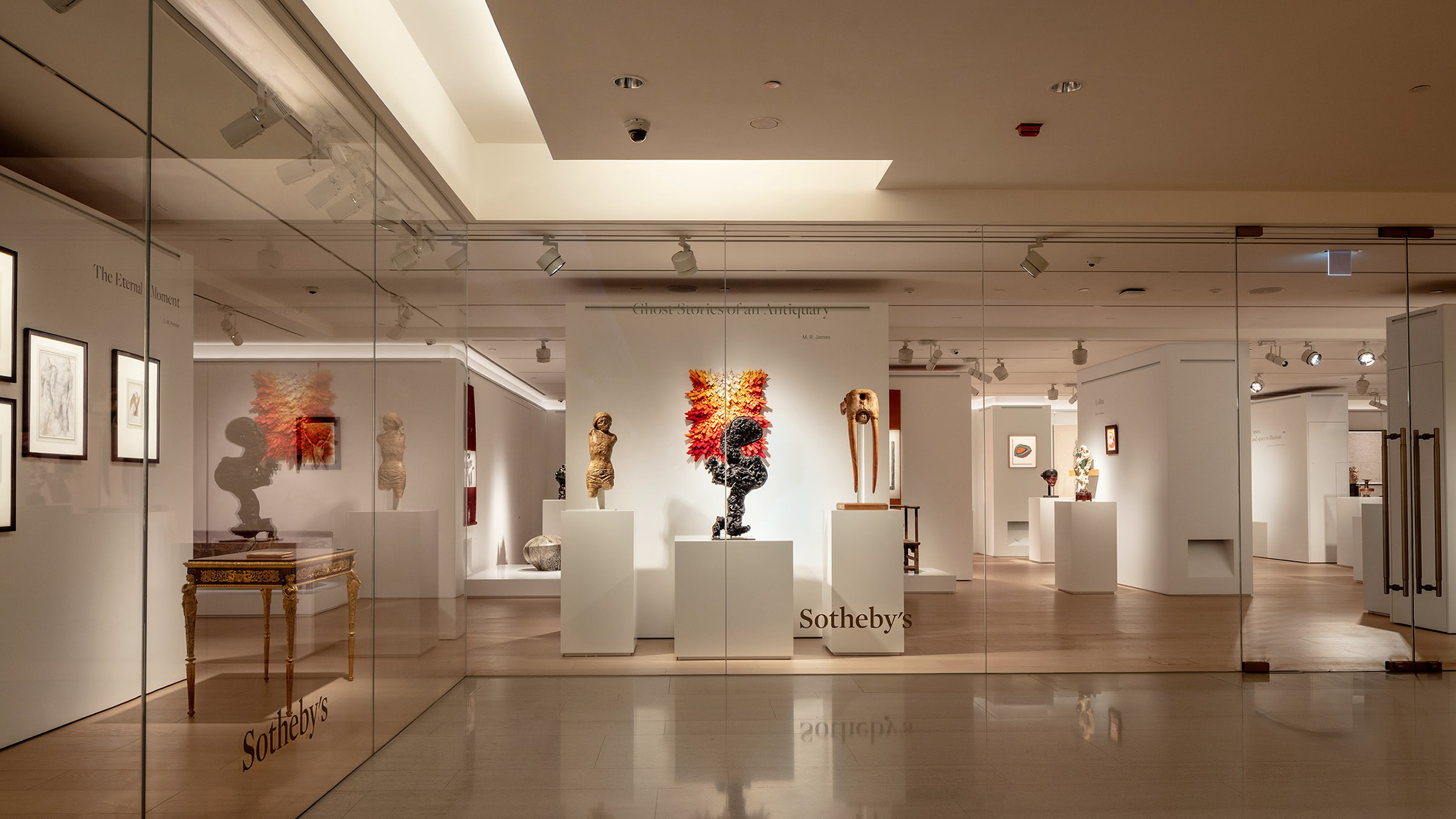
The firm behind the report
Savills is a global real estate services provider headquartered in London, specialising in advisory, management and transaction services across property sectors. That vantage gives its retail outlook its reach: the firm tracks openings and wealth hubs in the markets it advises.
When we sized up the top luxury real estate companies in the world, we found Savills competing on global reach alongside Knight Frank, while auction-house pedigrees anchored the top tier through Sotheby’s, Christie’s and Barnes. This report shows the same network being used to map retail rather than trophy homes.
The study’s practical implication is a heatmap for expansion. Siegel’s argument is that opening decisions should track where affluent consumers are now forming, not where they have historically shopped. Short Hills, Wilmette, Scottsdale and Knox Street are all named as proof the model is already working.
What the report does not say is how many openings the suburban shift will produce in 2026, or how much capital brands have committed to it. The trend is stated without a forecast, and no landlord or developer figures for the named streets are given.
Support the content you love — it’s free 🎉
Add Worthbury as a preferred source on Google. Our stories will be more likely to appear in Google’s Top Stories. It’s free and supports our team. Thank you!
Add as preferred sourceYou can remove us any time in Google’s source preferences.
Thank you — you’re all set 🎉
Worthbury is now one of your preferred sources, so our briefings are more likely to appear in Google’s Top Stories.
Sources
This briefing is published daily using an AI-powered system crafted by Worthbury's team and finely tuned to meet our editorial standards. While we continuously test and review the output, mistakes can sometimes happen. Tell us if you spot one.
Image: Sam Frost/Courtesy of Hermes