Barry Diller's People Inc. withdraws its $18 billion bid for MGM Resorts
MGM's board says its Las Vegas position, BetMGM and MGM Osaka justify staying public, even as Strip demand softens.


Barry Diller's People Incorporated has withdrawn its proposal to take MGM Resorts International private, a deal that had been valued at roughly $18 billion. People, formerly known as IAC, already owns 27% of MGM through 66.8 million shares and had been preparing to buy up the rest of the company.
The proposal was first made on 1 June 2026. A special committee of MGM's board spent the following months negotiating with People before the two sides failed to reach terms, and People confirmed this week that it was pulling the offer entirely rather than revising it.
Diller, who chairs and serves as senior executive of People Inc., said the company "didn't feel the mix was coming together in the way we had hoped" and had "decided not to pursue taking the company private at this time." He stopped short of ruling out a future transaction.
What Diller said about MGM's prospects
Diller said People Inc. has "total confidence" in both MGM's management and its prospects going forward, despite abandoning the buyout. He added that the company remains "open to and interested in the possibility of a strategic transaction with MGM Resorts" and would consider "a range of alternatives."
Diller is a member of MGM's board and built Expedia, Hotels.com, Tripadvisor and Hotwire before spinning those businesses out in 2005. His continued 27% stake means People Inc. remains MGM's largest single shareholder even without a takeover in motion.
MGM Board Chairman Paul Salem responded with his own statement, saying the board "remains excited to continue to lead MGM Resorts as a standalone company." He pointed to the company's position in Las Vegas, its regional properties and BetMGM's momentum as reasons shareholders should stay confident.
What the board is pointing to instead
MGM's own release named its international portfolio, MGM China and what it called the "significant opportunity ahead" with MGM Osaka as further support for a standalone strategy. The company describes itself as an S&P 500 global entertainment operator with 31 hotel and gaming destinations worldwide.
BetMGM, the company's sports betting and online gaming venture, is a 50/50 joint venture offering BetMGM and partypoker in the United States. MGM's subsidiary LeoVegas AB runs sports betting and online gaming brands across several European jurisdictions, extending the group's reach beyond casino floors.
The timing is notable because MGM controls 40% of hotel rooms on the Las Vegas Strip, giving it outsized exposure to the city's demand cycle. Strip-wide occupancy was flat in the second quarter of 2026 and average daily rates fell 4%, particularly among value-focused visitors.
MGM still reported 1% year-over-year consolidated net revenue growth in that same second-quarter earnings report, a figure it credited to strength in Las Vegas even as broader occupancy and pricing trends softened. The company has not disclosed what a revised offer from People might have looked like.
Why a rival casino deal did go through
MGM's decision to stay public contrasts with what is happening at its Las Vegas competitor Caesars Entertainment. Caesars received a go-private offer from Fertitta Entertainment in May, and Caesars shareholders approved that deal this week, the same week People's withdrawal became public.
That split outcome leaves two of the Strip's largest operators heading in opposite directions: one taken private by its bidder, the other confirming its intention to remain listed. MGM's board framed its own path as a deliberate choice rather than a fallback after failed talks.
Neither People Inc. nor MGM has disclosed the specific terms that stalled negotiations, such as price, financing conditions or governance arrangements. Diller's language, that the "mix" was not coming together, leaves open whether valuation, structure or something else was the sticking point.
MGM described its philosophy as "Focused on What Matters: Embracing Humanity and Protecting the Planet" and noted its recognition on Fortune's World's Most Admired Companies list. Those are the credentials the board is leaning on as it argues the case for staying independent.
MGM's second-quarter revenue growth of 1% came even as the Strip-wide occupancy and pricing figures softened, a gap the board did not directly address in its statement. That leaves the strength of MGM's individual properties, rather than the wider market, as its stated case.
For now, MGM Resorts continues trading on the New York Stock Exchange under its existing structure, with People Inc. still its largest shareholder and Diller still a board member. Neither side has set out a timetable for revisiting a strategic transaction.
Support the content you love — it’s free 🎉
Add Worthbury as a preferred source on Google. Our stories will be more likely to appear in Google’s Top Stories. It’s free and supports our team. Thank you!
Add as preferred sourceYou can remove us any time in Google’s source preferences.
Thank you — you’re all set 🎉
Worthbury is now one of your preferred sources, so our briefings are more likely to appear in Google’s Top Stories.
Sources
This briefing is published daily using an AI-powered system crafted by Worthbury's team and finely tuned to meet our editorial standards. While we continuously test and review the output, mistakes can sometimes happen. Tell us if you spot one.
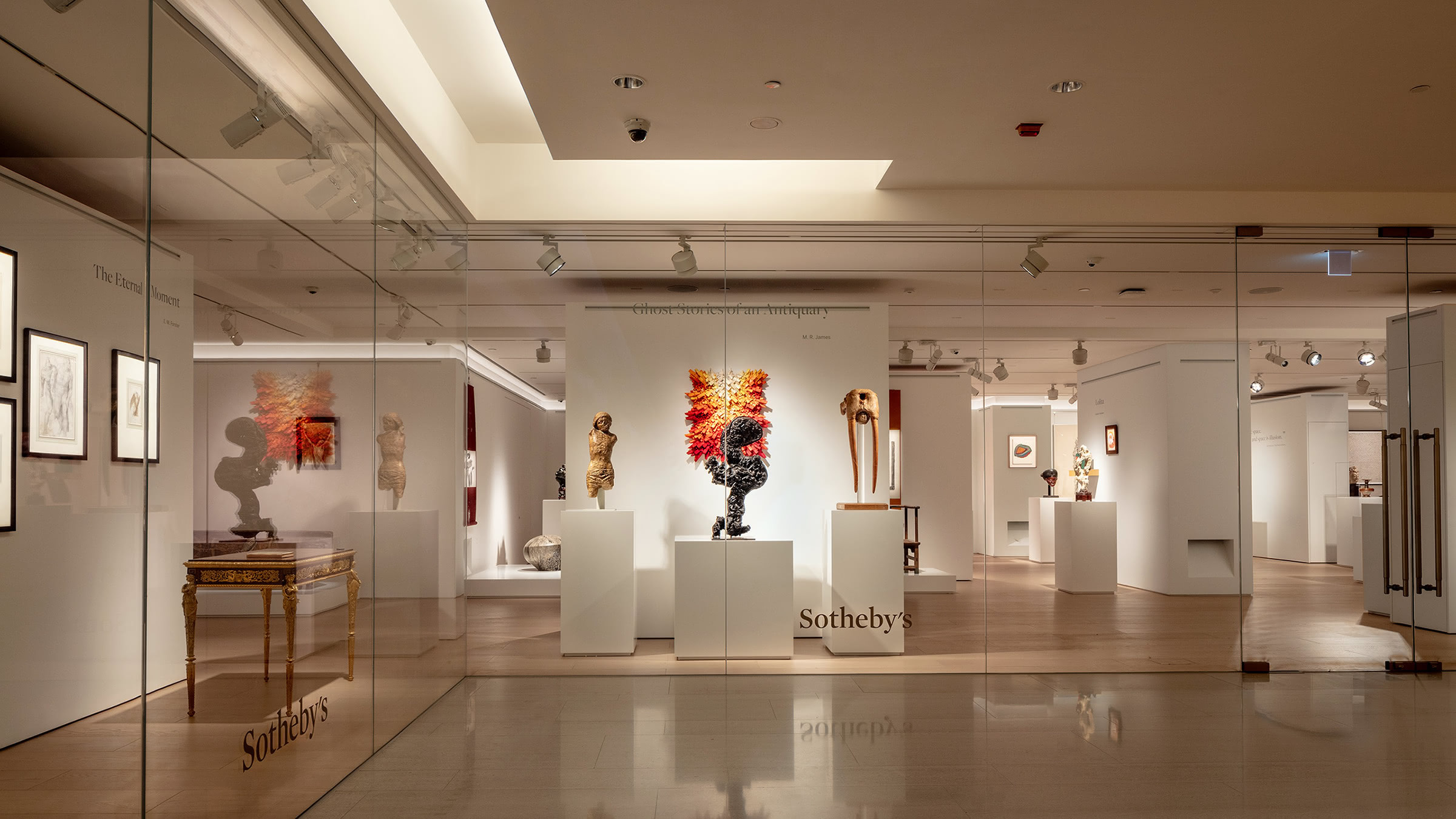
Image: Photo Credit: A flagship MGM Resorts property