

Neighborhood Intelligence reworks Fathom deal, folding in tZero and GrainChain
The new structure drops the original $53 million cash logic in favour of a digital asset contribution the companies value at more than $130 million.


Neighborhood Intelligence, the company formerly known as Bed Bath & Beyond Inc., is exploring alternatives to its acquisition of real estate platform Fathom Holdings, first announced in June. The new structure would see Neighborhood Intelligence contribute nearly 40% direct and indirect ownership of tZero Group to Fathom instead of relying on the original all-stock terms.
The two companies said in a joint press release on Thursday that the proposed deal would replace the June merger agreement entirely. It would fold in Medici-related fund assets and Neighborhood Intelligence's direct investment in blockchain agricultural platform GrainChain alongside the tZero stake.
Combined, the companies attribute at least $130 million in value to those digital asset contributions. The original June agreement had valued the all-stock acquisition of Fathom at roughly $53 million, a figure the reworked structure now leaves behind entirely.
How the new terms are structured
Under the revised plan, Fathom would issue new shares to Neighborhood Intelligence in exchange for the digital assets. The exact share count has not been settled and will be determined as the deal terms are finalised in the coming weeks.
Neighborhood Intelligence expects to end up with a controlling interest in Fathom once the new shares are issued. That would leave the retailer holding the reins of a real estate brokerage and title business rather than simply absorbing it outright as originally planned.
Executive Chairman and Chief Executive Marcus Lemonis said the deal's value is not derived from Fathom's current market capitalisation. He noted that Fathom's share price is lower now than when the deal was first announced three months earlier.
Even so, Lemonis said Fathom's brokerage and title businesses have made meaningful progress over that same period. "The proposed structure is intended to recognize both that progress and the value we believe exists in the digital asset portfolio Neighborhood would contribute," he said in a statement.
The restructured deal would also free Fathom to pursue acquisitions that strengthen its own operating business, something the original stock-for-stock structure did not explicitly address. The companies frame this as a deliberate widening of Fathom's strategic room to manoeuvre going forward.
Why tZero points at real estate
The companies said real estate is a natural application for tZero's digital securities infrastructure. They pointed to potential tokenisation of commercial real estate and single-family rental portfolios as an early use case for that technology.
They also flagged more flexible capital structures and new pathways to liquidity as goals of the arrangement. Over time, the companies said they intend to explore applications involving title services and individual homeownership, extending the digital asset thesis into Fathom's core brokerage business.
Neither Neighborhood Intelligence nor Fathom Holdings immediately responded to requests for additional comment on the reworked deal or on when the acquisition might close. That leaves a gap between the announced terms and any confirmed timetable for completion.
The reworked Fathom deal follows Neighborhood Intelligence's cancelled acquisition of F9 Brands, owner of Cabinets to Go and Lumber Liquidators, which had been valued at $150 million. The company said at the time that F9 was unable to satisfy all closing requirements within the contemplated timeframe.
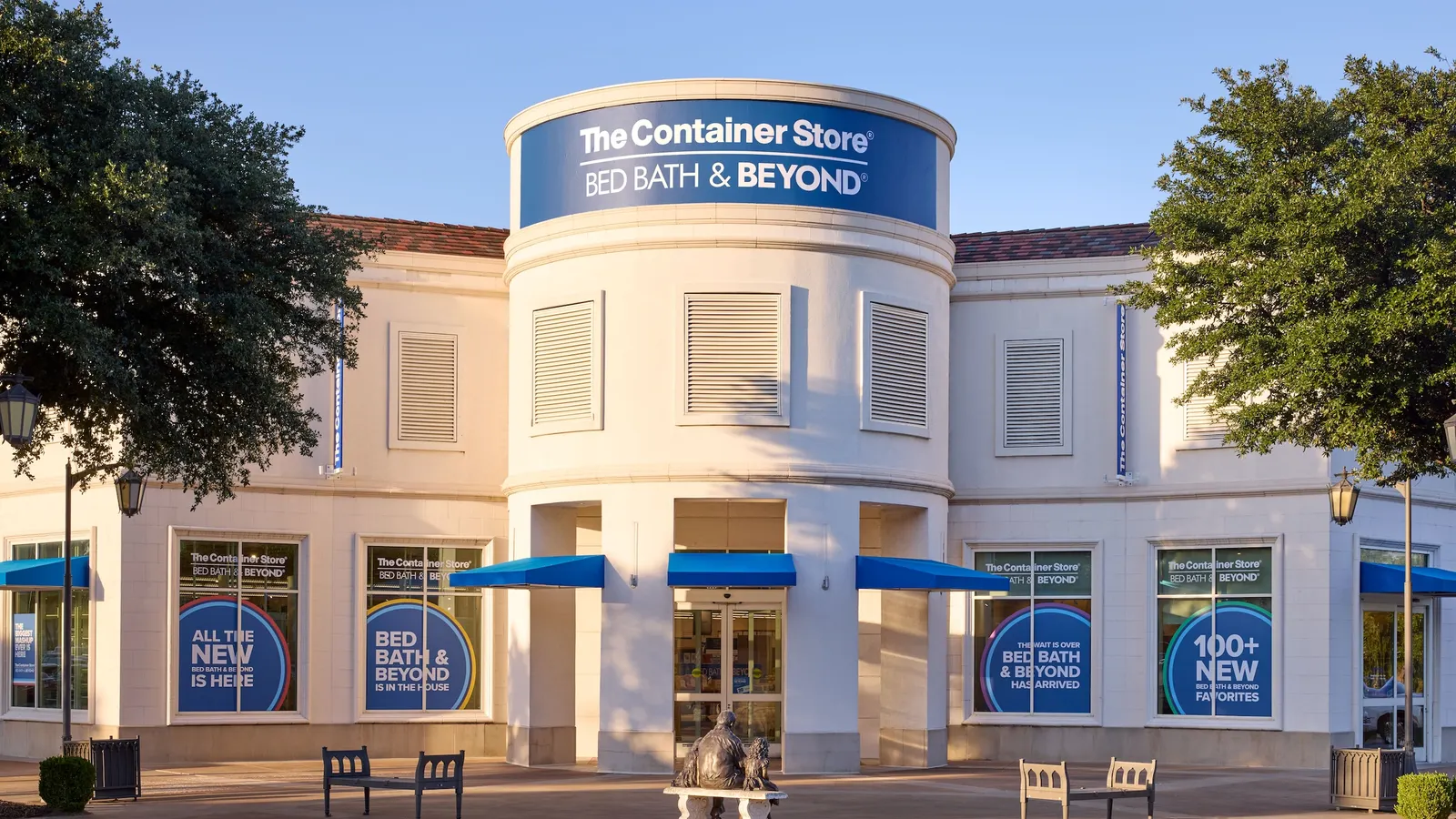
Both deals were part of a strategy to push Neighborhood Intelligence beyond traditional retail into home services and home ownership. That pivot has followed a run of other acquisitions, including The Container Store and The Brand House Collective, formerly known as Kirkland's Inc.
Those earlier acquisitions turned a housewares chain that filed for bankruptcy in 2023 into a holding company assembling stakes across retail, home services and now digital securities infrastructure. The Fathom rework extends that pattern into real estate brokerage and title work rather than merchandise.
The original Fathom agreement had targeted a close in the second half of the year, a timeline the companies have not repeated for the reworked structure. With share counts still unresolved, the actual timing of completion now looks less certain than it did in June.
What emerges is a retailer betting that its blockchain and digital securities holdings, not its retail balance sheet, are the more persuasive currency for expanding into real estate services. Whether Fathom's shareholders agree remains to be tested once final terms are set.
Support the content you love — it’s free 🎉
Add Worthbury as a preferred source on Google. Our stories will be more likely to appear in Google’s Top Stories. It’s free and supports our team. Thank you!
Add as preferred sourceYou can remove us any time in Google’s source preferences.
Thank you — you’re all set 🎉
Worthbury is now one of your preferred sources, so our briefings are more likely to appear in Google’s Top Stories.
This briefing is published daily using an AI-powered system crafted by Worthbury's team and finely tuned to meet our editorial standards. While we continuously test and review the output, mistakes can sometimes happen. Tell us if you spot one.
Image: Courtesy of Bed Bath & Beyond